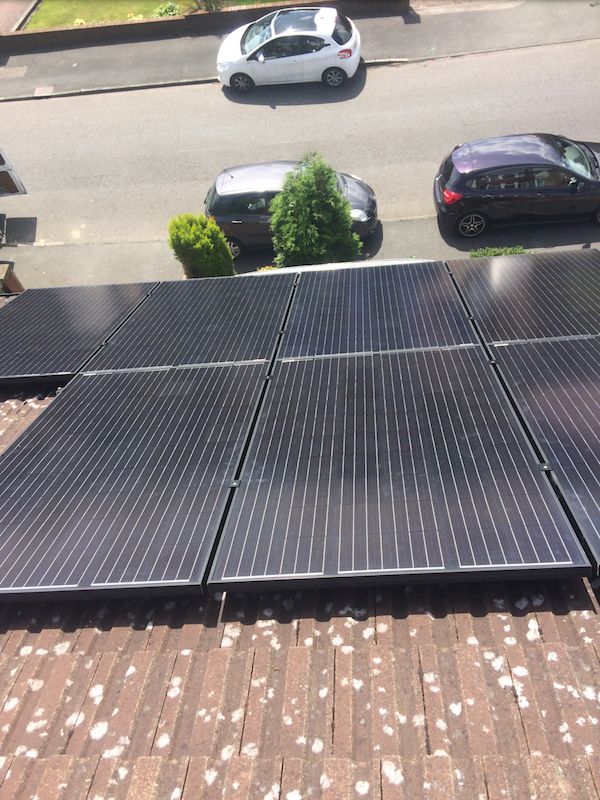
Solar panels have come a long way in recent years, with modern technology allowing homes and businesses to generate more electricity from the same amount of available space. However, when looking at solar panels, it is important to understand what efficiency actually means and how it affects the performance of your system. While efficiency is an important consideration, it is not the only factor that determines how much electricity your solar panels will generate. So, how efficient are solar panels?
What does solar panel efficiency mean?
Solar panel efficiency refers to the proportion of sunlight that a panel can convert into usable electricity. For example, a panel with a higher efficiency rating can convert more of the available sunlight into electricity than a lower-efficiency panel of the same size. Most modern domestic solar panels have efficiency ratings of around 20% or more, although the exact figure varies between products and manufacturers.
Does a higher efficiency panel generate more electricity?
Generally, a more efficient panel can generate more electricity from the same amount of roof space. This can be particularly valuable if your property has a smaller roof or limited areas suitable for solar installation. Higher-efficiency panels may allow you to:
- Generate more electricity from a smaller area
- Achieve a larger system capacity without using as many panels
- Make better use of restricted roof space
- Increase the potential output of your installation
However, efficiency should always be considered alongside the panel’s physical size and power rating.
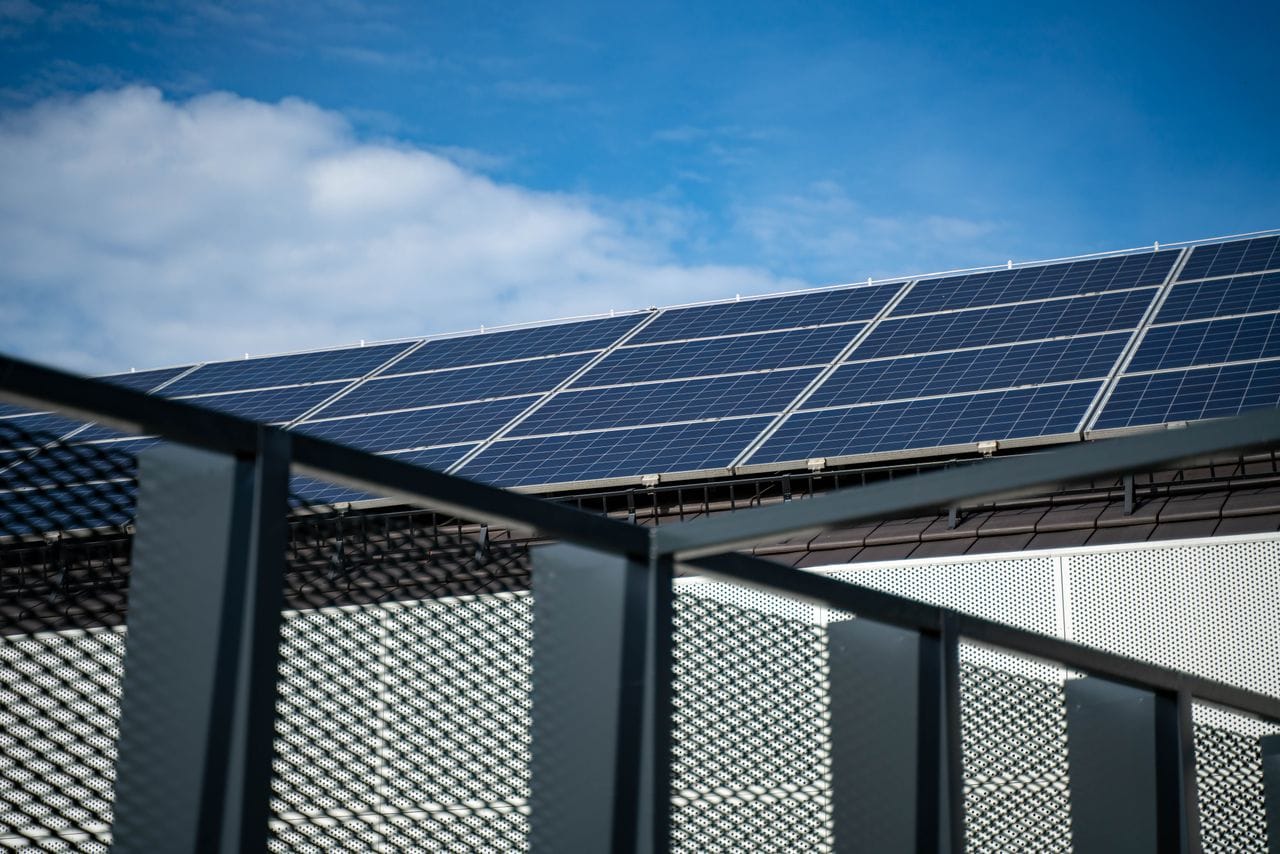
What affects solar panel efficiency?
The efficiency of a solar panel depends on its technology and the conditions in which it operates. Several factors can influence performance, including:
- The type of solar cells used
- The quality of the panel
- The amount of sunlight available
- The panel’s temperature
- Shading from trees or buildings
- The angle and orientation of the installation
This means that even a highly efficient panel may not perform to its full potential if it is installed in an unsuitable location.
Does weather affect solar panel performance?
Solar panels need daylight rather than direct sunshine to generate electricity, so they can still work when the weather is cloudy. However, the amount of electricity produced will vary depending on the conditions. Performance can be affected by:
- Cloud cover
- Rain
- Snow
- Temperature
- The length of daylight hours
Solar generation also changes throughout the year, with output typically higher during the longer, brighter days of summer.
Is the most efficient solar panel always the best choice?
Not necessarily. While high efficiency can be particularly useful where roof space is limited, other factors can influence whether a particular panel is the right choice. You may also want to consider:
- The panel’s wattage
- Its physical dimensions
- The manufacturer’s warranty
- Expected performance over time
- The overall cost of the system
A slightly less efficient panel may provide better overall value if you have plenty of available roof space.
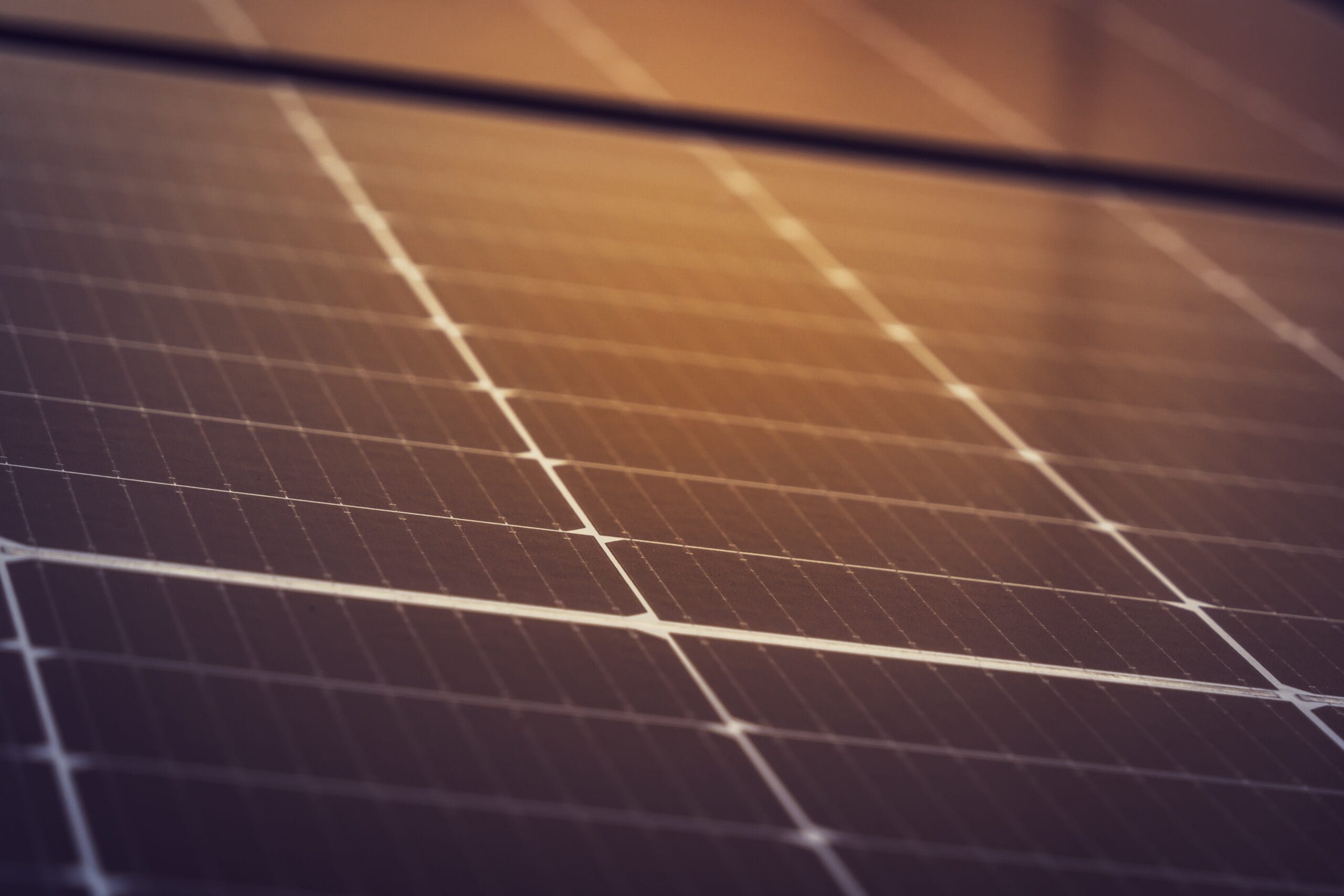
How does installation affect efficiency?
The efficiency rating of the panel is only part of the picture. How the system is installed can have a significant impact on the amount of electricity generated. Installers will consider factors such as:
- Roof orientation
- Roof pitch
- Shading
- Panel positioning
- The number of panels installed
A carefully designed system can help maximise the amount of sunlight reaching your panels throughout the day.
Can solar panels become less efficient over time?
Like most technology, solar panels gradually lose some of their performance over their lifetime. This is known as degradation. Modern panels are designed to degrade slowly, meaning they can continue producing useful amounts of electricity for decades. In fact, many manufacturers provide long-term performance warranties, giving homeowners additional reassurance about how their panels are expected to perform over time.
How can you maximise solar panel efficiency?
Choosing efficient panels is only one way to improve the performance of your solar installation. You can also maximise generation by:
- Keeping panels free from excessive dirt and debris
- Reducing avoidable shading
- Choosing an appropriate roof orientation where possible
- Installing a system that matches your energy requirements
- Considering battery storage to make better use of generated electricity
Professional system design can help ensure all of these factors are taken into account.
So, how efficient are solar panels?
Modern solar panels are highly efficient, with many domestic panels achieving efficiency ratings of around 20% or more. However, the efficiency of an individual panel is only one part of determining how much electricity a solar installation can generate.
Roof orientation, shading, panel positioning, system size and household energy usage can all influence overall performance. By considering the complete system rather than focusing solely on efficiency ratings, you can make a more informed decision about which solar panels are right for your property. With professional advice and a carefully designed installation, modern solar panels can make excellent use of available roof space and provide reliable renewable electricity for many years to come.
For more information or advice, why not contact the experts today, here at the Eco Renewables Group? We work across the UK, from Oxford to Derby, to deliver high quality solar power solutions.