For many UK homeowners, solar panels can offer long-term value. These can help you reduce your electricity bills, generate your own renewable energy and become less reliant on electricity from the grid. However, the benefits you receive depend on your property, energy usage and installation costs. As such, understanding how they work, what affects your savings and how long it may take to recover the initial cost can help you decide whether they are the right choice for your home.
How can solar panels save you money?
One of the main reasons to install solar panels is the potential to reduce your household electricity bills. Because solar panels generate electricity from daylight, this allows you to power appliances such as washing machines, televisions and other household equipment without buying as much electricity from your supplier.
In addition, the more of your solar electricity you use directly, the greater your potential savings. For example, running appliances during daylight hours can help you make better use of the electricity your panels generate.
On top of this, if your system produces more electricity than you need, you may also be able to export the surplus to the grid and receive payments through the Smart Export Guarantee (SEG), provided you meet the relevant requirements and have an eligible tariff.
Your overall financial benefit therefore comes from both the electricity you avoid buying and any payments you receive for exported electricity.
How much do solar panels cost?
The initial cost of solar panels depends on the size of the system, the type of equipment you choose, your roof and the complexity of the installation.
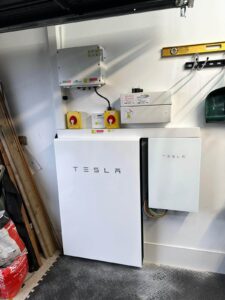
Adding a solar battery will usually increase the upfront cost, although it can allow you to store surplus electricity for use later in the day.
When comparing quotes, consider the full installation price rather than focusing solely on the cost of individual panels. Check what is included, such as scaffolding, the inverter, electrical work, monitoring equipment and warranties.
How long does it take for solar panels to pay for themselves?
The payback period is the time it takes for your accumulated savings and any export payments to cover the original installation cost.
For some UK households, this may take around a decade or longer, but there is no single figure that applies to every property. The actual timeframe depends on how much electricity your system generates, how much you use yourself, your export tariff and the price you pay for installation.
Solar panels can continue generating electricity for 25 years or more, although their output gradually declines over time and some components may need replacing sooner. This means that, once your system has paid for itself, you may continue to benefit from reduced electricity costs for many years. However, you should account for potential maintenance and replacement costs when assessing the long-term return.
Are solar panels worth it if you are out during the day?
Solar panels can still be worthwhile if you work away from home, but your usage patterns matter. If most of your electricity consumption takes place in the evening, you may use less of your solar generation directly.
While you could export the surplus to the grid, the payment you receive may be lower than the cost of buying electricity later. Instead, a solar battery can be a better option to bridge the gap. This stores electricity generated from the solar panels, so that you can use it in the evenings when you are at home.
These changes can help you get more value from your system without necessarily needing to increase its size.
What are the other benefits of solar panels?
Financial savings are important, but they are not the only reason to consider solar energy.
Solar panels generate electricity without burning fossil fuels during operation, helping reduce the carbon emissions associated with your household electricity use. They can also give you greater control over how and when you use energy.
If you plan to install an electric vehicle charger or other electrical equipment in the future, solar panels may help meet some of your additional electricity needs.
Although these benefits can make solar more appealing, it is still important to choose a system that suits your property and budget.