Not all solar panels are made in exactly the same way, and the technology used within them can affect their efficiency, appearance, cost and suitability for different properties. With several options available, understanding the differences can make it easier to choose a system that meets your energy requirements. So what are the different types of solar panels? And what should you consider?
What are monocrystalline solar panels?
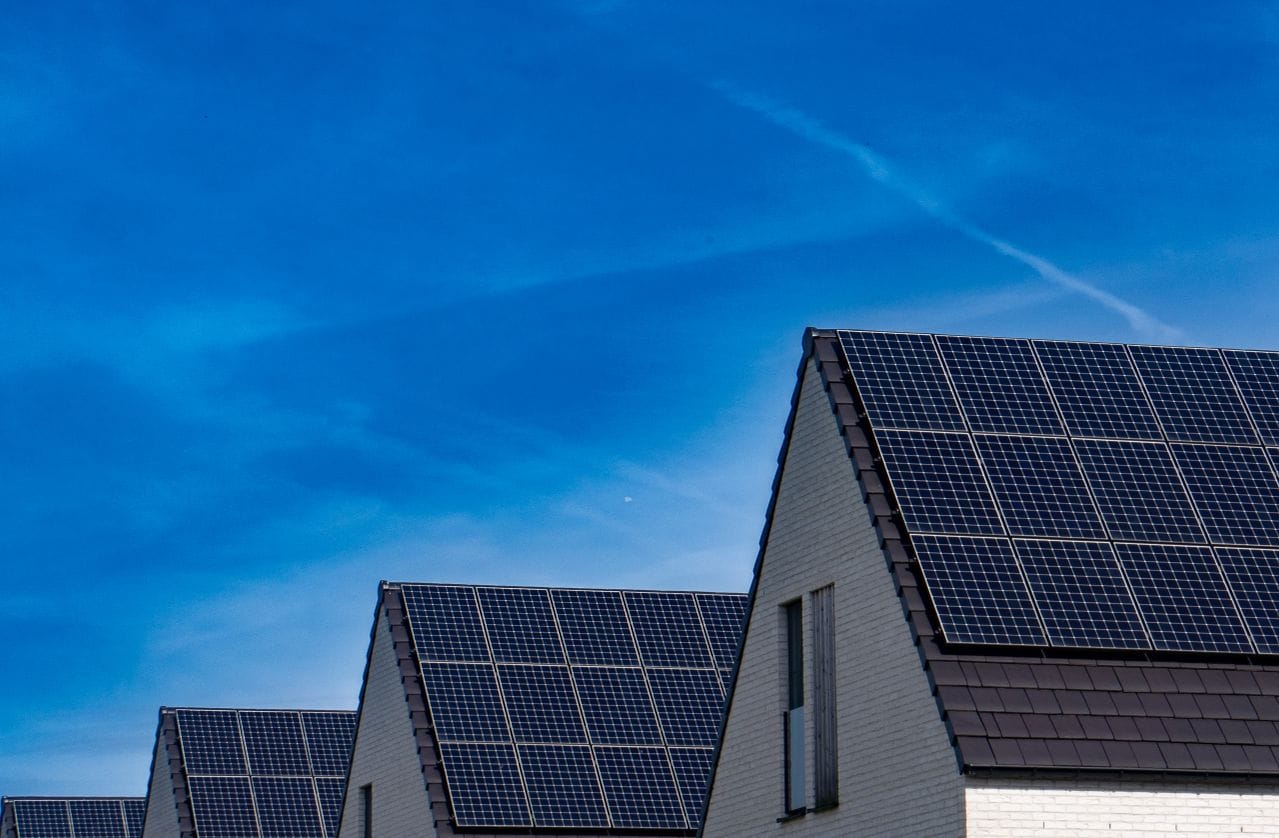
Monocrystalline solar panels are one of the most common choices for residential and commercial installations. They are made using a single-crystal silicon structure, which allows them to achieve relatively high levels of efficiency. This means they can generate a significant amount of electricity from a comparatively small area. Some of the main advantages of monocrystalline panels include:
- High efficiency
- Good performance where roof space is limited
- A sleek, uniform appearance
- Long-term durability
For homeowners with limited roof space, their efficiency can make them an attractive option.
What are polycrystalline solar panels?
Polycrystalline panels are another type of silicon-based solar panel. Rather than being manufactured from a single silicon crystal, they are produced using multiple silicon fragments. This manufacturing process traditionally made polycrystalline panels less expensive to produce, although they generally have lower efficiency than modern monocrystalline alternatives. They can still be suitable for properties with plenty of available roof space, particularly where maximising output from every square metre is less important.
Are thin-film solar panels different?
Thin-film solar panels use a different manufacturing approach from traditional crystalline silicon panels. Instead of using thicker silicon wafers, thin-film technology involves depositing photovoltaic material onto a supporting surface. This can result in panels that are lighter and more flexible than conventional alternatives. Thin-film panels can offer:
- A lightweight design
- Greater flexibility for certain applications
- A different aesthetic
- Potential advantages for specialist installations
However, they generally require more space to produce the same amount of electricity as higher-efficiency crystalline panels.
What are bifacial solar panels?
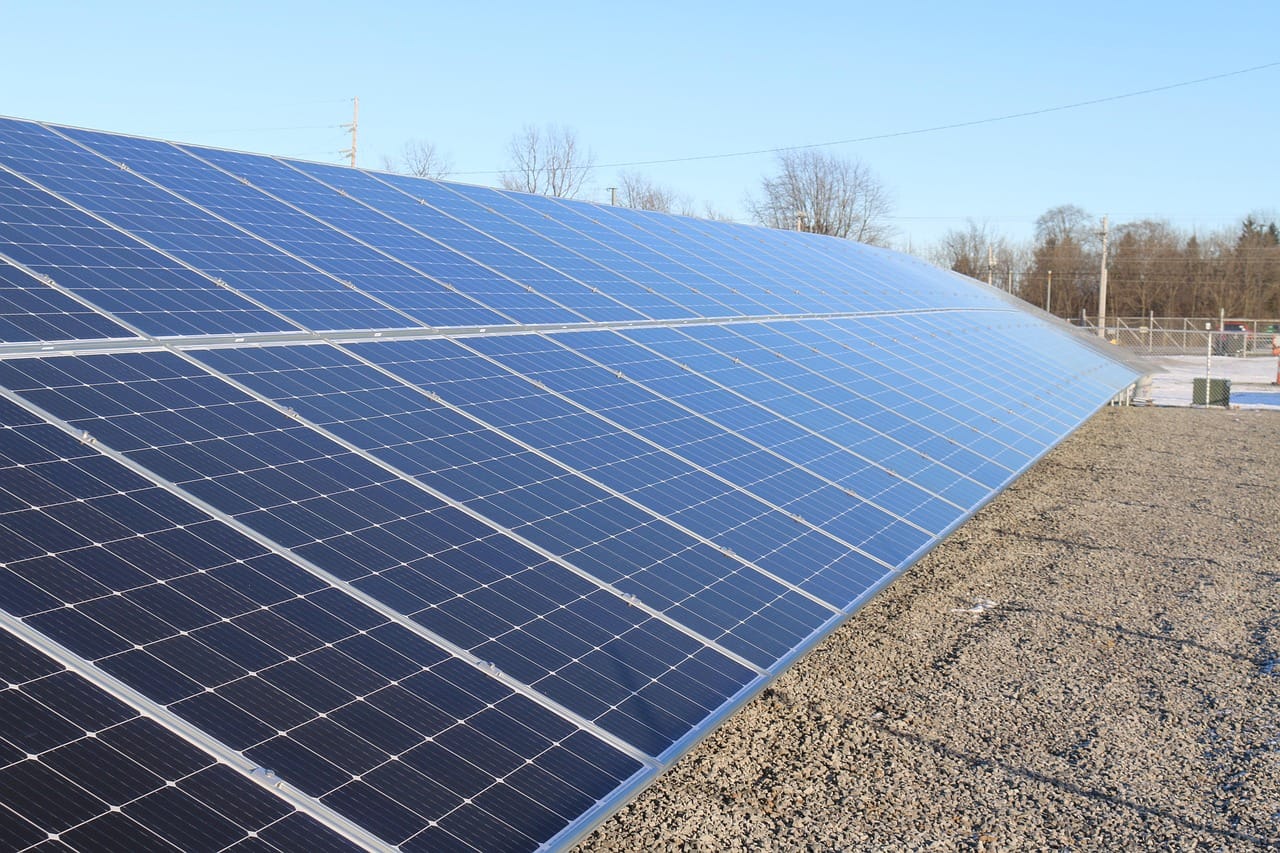
Bifacial solar panels are designed to capture sunlight from both sides of the panel. The front of the panel absorbs direct sunlight, while the rear can capture reflected or scattered light. This can potentially increase overall electricity generation in suitable installations. Their effectiveness depends on factors such as:
- The surface beneath the panels
- The amount of reflected light available
- The mounting arrangement
- The surrounding environment
Bifacial technology can therefore be particularly useful in certain commercial or ground-mounted applications.
Which type of solar panel is most efficient?
Efficiency varies between individual products, but monocrystalline panels are generally among the most efficient mainstream options available for domestic installations. However, efficiency should not be the only factor considered when choosing a solar panel, as you should also look at:
- The panel’s physical dimensions
- Its power output
- Manufacturer warranties
- Expected performance over time
- The available roof space
A professional installer can help you compare the options and identify which technology is most appropriate for your property.
Does the type of solar panel affect cost?
The technology used within a solar panel can influence its price. Higher-efficiency or more advanced panels may have a higher upfront cost, but they can also provide greater electricity generation from a limited roof area.
However, the most expensive option is not necessarily the best choice for every property. Instead, it is important to consider the overall value of the system, including its expected performance and long-term savings.
Which solar panels are best for your property?
There is no single solar panel that is ideal for every home or business. A suitable choice will depend on:
- The amount of available roof space
- Your electricity requirements
- Your budget
- The appearance you prefer
- The expected performance of the system
A professional assessment can help determine which panel technology offers the best balance between efficiency, cost and long-term performance.
So, what are the different types of solar panels?
The main types of solar panels include monocrystalline, polycrystalline and thin-film panels, alongside technologies such as bifacial and PERC that can enhance the way solar cells perform. Each option has its own advantages, and the most suitable choice will depend on the property and the requirements of the system. Understanding the differences between solar panel technologies can help you make a more informed decision and avoid paying for features you may not need. With professional advice and a system designed around your property, you can select solar panels that provide reliable renewable electricity and strong long-term performance.
For more information or advice, why not contact the experts today, here at the Eco Renewables Group? We work across the UK, from Oxford to Derby, to deliver high quality solar power solutions.