Installing solar panels allows you to generate your own electricity, potentially reducing the amount of energy you need to buy from your supplier. However, your panels may sometimes produce more electricity than your home or business needs. Rather than letting this surplus energy go unused, you could sell it back to the electricity grid and receive payments for the power you export. So what do you need to know about selling solar power back to the grid?
Can you sell solar power back to the grid?
Yes, if you have an eligible solar panel system you may be able to receive payments for the electricity you export to the grid. The main scheme for this is the Smart Export Guarantee (SEG). Under this scheme, participating energy suppliers offer eligible solar panel owners a tariff that pays for electricity exported to the grid. The amount you will receive depends on your chosen supplier and export tariff. Selling surplus electricity can provide an additional financial benefit alongside the savings you make by using your own solar-generated power.
How does selling solar electricity work?
Your solar panels generate electricity during daylight hours. Your property uses the electricity it needs at the time, and any surplus may be exported to the grid. For example, your panels might generate more electricity than you need on a sunny afternoon when you are out of the house. Instead of using all that electricity immediately, the excess can flow into the grid, allowing it to be used elsewhere.
To receive payments, you generally need to sign up for an eligible export tariff with an energy supplier. Payments are based on the amount of electricity you export, measured through suitable metering.
What is the Smart Export Guarantee?
The Smart Export Guarantee was introduced to ensure eligible small-scale renewable electricity generators can be paid for the electricity they export. It covers eligible solar photovoltaic systems as well as certain other renewable technologies. Suppliers set their own tariff rates and terms, so the amount you earn can vary between providers. You do not necessarily have to use the same company for your electricity supply and your export payments. This means you can compare different export tariffs to find one that suits your circumstances.
How much money can you make selling solar power?
The amount you can earn depends on how much surplus electricity your panels export and the rate your supplier pays per kilowatt-hour (kWh). There are also several factors that can influence your potential payments:
- Solar panel system size: Larger systems may generate more surplus electricity, depending on your energy consumption.
- Household or business energy use: If you use most of your solar electricity as it is generated, you will have less available to export.
- Export tariff: Different suppliers offer different rates and contract terms.
- Seasonal conditions: Solar panels typically generate more electricity during sunnier months.
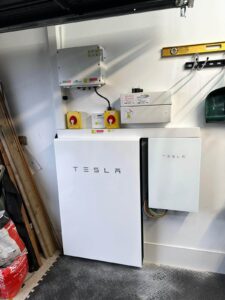
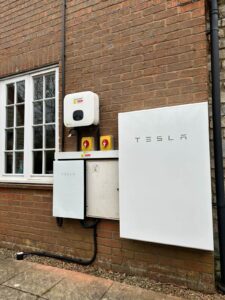
- Battery storage: A battery may store some surplus electricity for later use, reducing the amount you export.
How do you get paid for exporting solar electricity?
To receive Smart Export Guarantee payments, you generally need to apply to a participating supplier and meet the scheme’s eligibility requirements. You will typically need:
- An eligible renewable electricity installation.
- Appropriate certification for your installation, such as MCS certification or an accepted equivalent where required.
- A suitable meter capable of recording exported electricity, commonly a smart meter.
- An agreed export tariff with a participating supplier.
Is it better to use solar electricity or export it?
For many households, using solar electricity directly can provide greater financial value than exporting it, because it reduces the amount of electricity you need to purchase from your supplier. For example, if you run appliances while your panels are generating electricity, you can use that energy rather than buying electricity from the grid. Exporting surplus electricity provides an additional benefit when your generation exceeds your immediate needs.
A battery can help you store some surplus energy for use later, although the cost of the battery and its efficiency should be considered when assessing whether storage is worthwhile. The best approach depends on your energy consumption, export tariff and how your solar system is configured.
Can businesses sell solar power back to the grid?
Yes, eligible businesses can also export surplus electricity generated by their solar panel systems. This can be particularly relevant for businesses with large rooftop installations that generate more electricity than they need during certain periods.
However, commercial systems may have different metering, connection and contractual requirements depending on their size and setup. Businesses should discuss export arrangements with their installer and energy supplier before installation.
For more information or advice, why not contact the experts today, here at the Eco Renewables Group? We work across the UK, from Oxford to Derby, to deliver high quality solar power solutions.