If you’re looking for ways to reduce your household electricity bills and make your home more energy efficient, domestic solar panels could be a worthwhile investment. By generating electricity from daylight, solar panels allow you to power everyday appliances using renewable energy produced on your own property.
From reducing your reliance on the electricity grid to potentially earning money from surplus electricity, there are several benefits to consider. Understanding how solar panels can improve your home’s energy use, finances and environmental impact can help you decide whether they are the right choice for you.
Reduce your household electricity bills
One of the biggest benefits of domestic solar panels is the potential to lower your electricity bills.
Solar panels generate electricity during daylight hours, allowing you to power appliances such as washing machines, televisions, computers and kitchen equipment using the energy your system produces. Every unit of solar electricity you use yourself is a unit you may not need to buy from your energy supplier. However, your savings will depend on the amount of electricity your panels generate, how much you use at home and the price you would otherwise pay for electricity.
To make the most of your system, you can run suitable appliances during daylight hours when your panels are generating electricity. This helps you use more of your own energy rather than relying on the grid.

Generate your own renewable energy
Domestic solar panels allow you to generate electricity from a renewable energy source: daylight. Unlike electricity generated by burning fossil fuels, solar electricity does not produce direct carbon emissions during operation. Generating more of your own electricity can therefore help reduce the emissions associated with your household energy consumption.
Solar panels also work in the UK’s varied weather conditions. Although they generally generate more electricity in bright sunshine, they can still produce power on cloudy days. This means you can benefit from solar energy throughout the year, although generation will usually be higher during the longer, brighter days of spring and summer.
Become less reliant on the electricity grid
Generating your own electricity can give you greater control over how you power your home. When your panels produce electricity, you can use it to meet some of your household’s energy needs instead of purchasing all your electricity from the grid. This can help reduce your exposure to changes in electricity prices.
However, solar panels do not usually make a home completely self-sufficient. Your system’s output varies with the weather and time of day, and you will generally need electricity from the grid when your household demand exceeds solar generation.
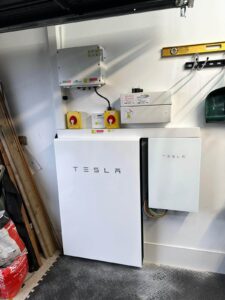
Adding a solar battery can help you make greater use of the electricity your panels generate.
Store surplus electricity with a solar battery
If your solar panels generate more electricity than you need during the day, a solar battery can store some of that surplus energy for later use. You can then use the stored electricity in the evening or at other times when your panels are generating less power. This can increase the proportion of your household electricity that comes from your own solar system.
Battery storage can be particularly useful if you are often away from home during the day and use more electricity in the evening.
Earn money from surplus electricity
Another potential benefit of domestic solar panels is the opportunity to receive payments for electricity you export to the grid.
In England, Scotland and Wales, eligible homeowners can apply for a Smart Export Guarantee (SEG) tariff through a participating electricity supplier. The amount you receive depends on the tariff and how much eligible electricity you export.
Payments are not automatic, so you need to apply and meet the supplier’s requirements. You will generally need suitable certification and a smart meter capable of recording exported electricity.
Although export payments can contribute to the overall financial return, using your solar electricity at home may save you more than exporting it, depending on your import and export rates.
Make better use of energy-efficient technology
Solar panels can work alongside other technologies to help you manage your household energy more effectively. For example, if you have an electric vehicle, you may be able to use some of your solar generation to charge it. You can also consider smart energy controls that help you run appliances when solar electricity is available.
For homes with heat pumps, solar panels may help supply some of the electricity needed for heating and hot water.
The benefits depend on your household’s energy requirements and how well the different technologies work together. Planning your system around your current needs and future plans can help you get more value from your investment.
Overall, domestic solar panels can bring several benefits, including lower electricity bills, renewable energy generation, reduced reliance on the grid and the potential to earn money from surplus electricity. Adding battery storage or combining solar with other energy-efficient technologies may provide further advantages.