When comparing solar panels, wattage is often one of the first specifications people notice. A panel with a higher wattage can appear to offer better performance, but choosing the right solar panel involves more than simply selecting the highest number available. Panel efficiency, available roof space, energy requirements and overall system design can all influence which option is best for your property. So, are higher wattage solar panels actually better?
What does solar panel wattage mean?
The wattage of a solar panel refers to its rated power output under standard test conditions. In simple terms, it indicates how much electricity the panel can produce at its rated maximum output under specific conditions.
For example, a higher-wattage panel has the potential to produce more electricity than a lower-wattage panel when both are operating under the same conditions.
However, this does not necessarily mean that a higher-wattage panel will always be the best choice.
Does higher wattage mean higher efficiency?
Wattage and efficiency are related, but they are not the same thing. Efficiency refers to how effectively a panel converts sunlight into electricity, while wattage describes its rated power output.
A larger panel may have a higher wattage simply because it has a greater surface area. Therefore, when comparing different products, it is important to consider both the panel’s power rating and its efficiency.
Why might higher wattage panels be useful?
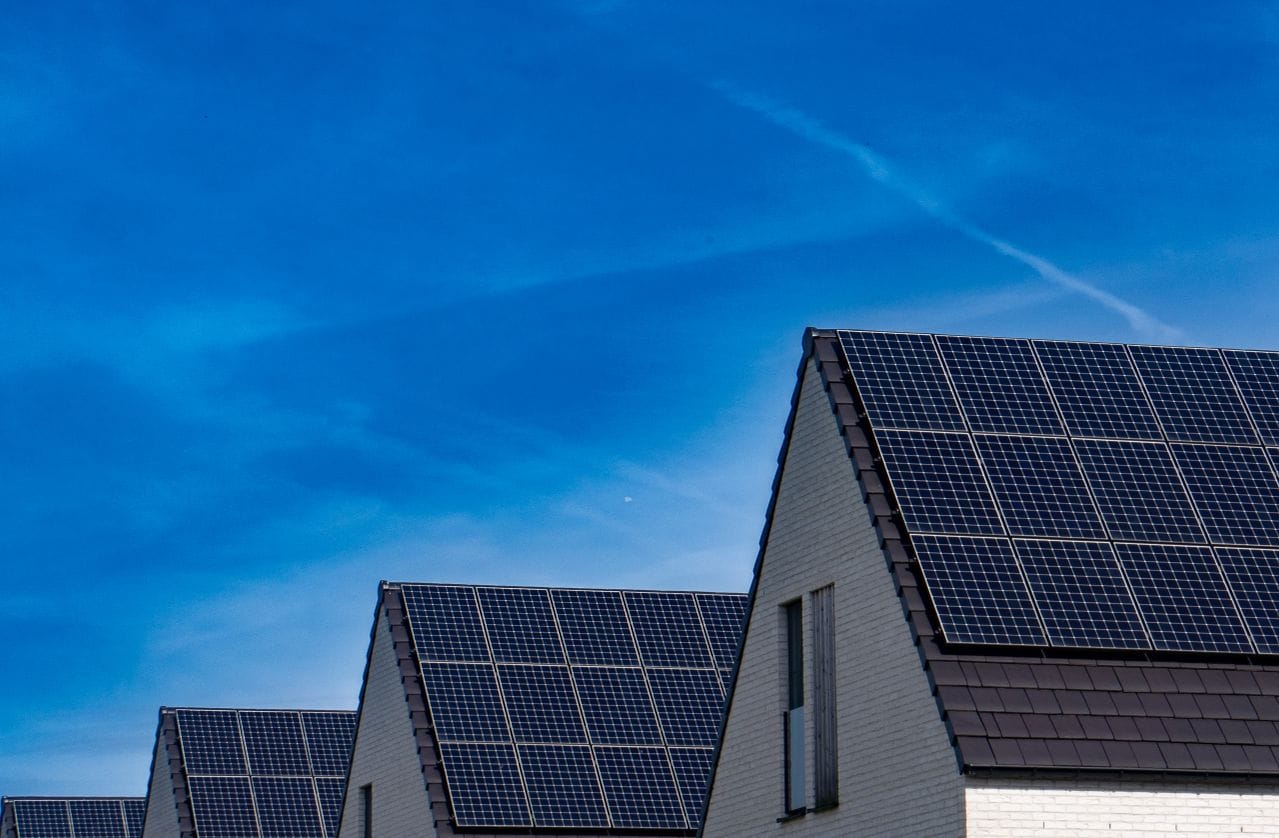
Higher-wattage solar panels can be particularly beneficial where roof space is limited. If you have a relatively small area available for installation, using panels with a greater power output could allow you to generate more electricity without significantly increasing the number of panels. This can be useful for properties where:
- Roof space is restricted
- Energy consumption is relatively high
- You want to maximise electricity generation
- You are planning to install battery storage or an electric vehicle charger
Could fewer panels generate the same amount of electricity?
In some situations, choosing higher-wattage panels can reduce the total number of panels required to achieve a particular system size. For example, a system designed around higher-output panels may reach its target capacity using fewer individual panels.
This can make the installation more practical where roof space or panel positioning is restricted. However, the physical dimensions of the panels still need to be considered.
Are higher wattage panels larger?
Not necessarily, but higher-wattage panels are often physically larger. This is important because two panels with different wattage ratings cannot always be compared directly without considering their dimensions.
If one panel produces more electricity but also takes up considerably more roof space, its higher wattage may not provide a significant advantage in terms of electricity generated per square metre. This is why efficiency and physical size are important when designing a solar installation.
What else should you look at when comparing panels?
Wattage is just one specification to consider when choosing solar panels. You may also want to compare:
- Panel efficiency
- Physical dimensions
- Product and performance warranties
- Temperature performance
- Manufacturer reputation
- Expected degradation over time
Looking at the complete specification can give you a much better understanding of the panel’s overall suitability.
Does a higher wattage panel cost more?
Higher-output panels can sometimes have a higher purchase price, particularly when they use newer or more advanced technology. However, the price of individual panels should not be considered in isolation.
A system using fewer high-wattage panels could potentially require less mounting equipment and installation time. Equally, a lower-wattage system may provide better value where there is plenty of available roof space.
As a result, the overall cost and expected electricity generation are therefore more important than the wattage of an individual panel.
When are lower wattage panels a better option?
Higher wattage is not automatically better in every situation. Lower-wattage panels may be perfectly suitable if your property has plenty of available roof space and your energy requirements are relatively modest. The priority should be choosing a system that provides the right balance between:
- Electricity generation
- Available space
- Installation costs
- Long-term performance
A professional system design can help establish the most appropriate option for your property.
So, are higher wattage solar panels better?
Higher wattage solar panels can offer advantages, particularly where roof space is limited or a larger system is required. However, wattage alone does not determine whether a solar panel is better. Efficiency, panel size, cost, warranty and overall system design are equally important considerations.
Rather than automatically choosing the highest-wattage panel available, it is worth looking at how each option would perform as part of your complete solar installation. With professional advice and careful system design, you can choose panels that make effective use of your available roof space while meeting your household’s energy requirements.
For more information or advice, why not contact the experts today, here at the Eco Renewables Group? We work across the UK, from Oxford to Derby, to deliver high quality solar power solutions.