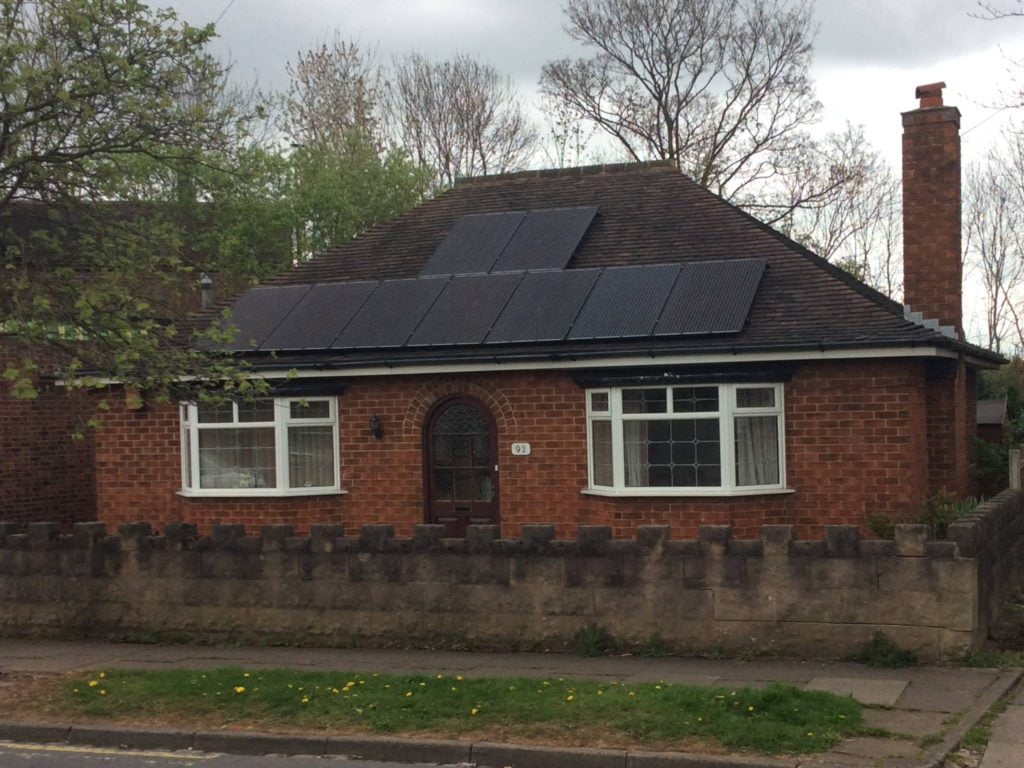
Solar panels are designed to capture energy from the sun and turn it into electricity that can be used to power your home or business. But how does this process actually work? How does solar energy create electricity, and how can this become part of your property’s energy system?
Solar Panels Capture Energy From Sunlight
Solar panels contain a number of photovoltaic cells, often made using silicon. These cells are designed to respond when sunlight reaches them. When sunlight hits the photovoltaic cells, it causes electrons within the material to move. This movement of electrons creates an electrical current. This is known as the photovoltaic effect, and it is the fundamental process that allows solar panels to generate electricity from sunlight.
What Is Photovoltaic Energy?
You may have seen solar panels described as PV panels. PV simply stands for photovoltaic. Each solar panel contains many photovoltaic cells working together. When sunlight reaches these cells, they generate direct current (DC) electricity. The amount of electricity produced depends on several factors, including the intensity of sunlight, the size of the solar panel system and the efficiency of the panels.

Why Do Solar Panels Need an Inverter?
The electricity initially generated by solar panels is DC electricity. However, most homes and businesses use alternating current (AC) electricity. This is where the inverter becomes important.
The inverter converts the DC electricity generated by your solar panels into AC electricity that can be used by your property’s electrical systems. This makes it an essential part of a typical solar panel installation because it allows the electricity generated by your panels to be used by everyday appliances and equipment.
How Is Solar Electricity Used in Your Home?
Once the electricity has been converted into a usable form, it can be used to power electrical equipment in your property. Depending on your system and how much electricity your panels are generating, solar power could be used for things such as:
- Lighting
- Refrigeration
- Televisions
- Computers
- Kitchen appliances
- Washing machines
- Heating systems
- Electric vehicle charging
The electricity generated by your solar panels is used alongside your property’s existing electrical supply. If your panels are producing enough electricity to meet your current demand, you can use the solar electricity directly.
What Happens When Your Panels Generate More Electricity Than You Need?
Solar panels do not stop generating electricity simply because your home is not using all of the power being produced. If your panels generate more electricity than you need at that moment, the surplus can potentially be stored in a solar battery or exported to the electricity grid.
Battery storage can be particularly useful because it allows you to keep some of the excess electricity and use it later. For example, your panels may generate surplus electricity during the afternoon while you are out. A battery could store some of this energy so it can be used later in the evening.

What Happens When There Is Not Enough Sunlight?
Solar panels do not need bright sunshine to generate electricity, as they can still produce power in daylight conditions. However, electricity generation is generally lower when there is less available sunlight. This means that during cloudy weather, winter months or after sunset, your solar panels may not generate enough electricity to meet your property’s needs.
Does More Sunlight Mean More Electricity?
Generally, greater levels of sunlight allow solar panels to generate more electricity. However, the amount of electricity your system produces is influenced by more than just the weather. Factors such as the orientation and pitch of your roof, shading from trees or buildings, the size and efficiency of your panels and the overall system design can all affect generation.
So, How Does Solar Energy Create Electricity?
Solar energy creates electricity by using photovoltaic cells within solar panels to convert energy from sunlight into electrical current. The electricity initially produced is DC electricity, which is converted into AC electricity by an inverter so it can be used by your home or business. Your solar electricity can be used immediately, stored in a battery for later or, where appropriate, exported to the grid.
If you are considering solar panels, a professional installation team can assess your property, available roof space and energy requirements to determine how much electricity a solar system could potentially generate for you.