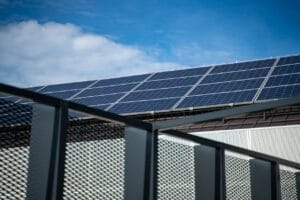
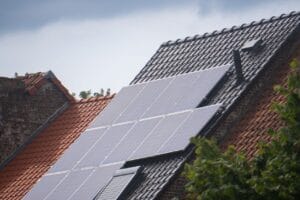
If you are considering solar panels for your business, it is important to understand how they work, what they cost, and how they can benefit your operations over the long term. While solar energy is often associated with residential properties, it is increasingly being adopted by businesses looking to reduce costs and improve sustainability. But what do you need to know about solar panels for business?
How do solar panels work for businesses?
Solar panels generate electricity from daylight using photovoltaic (PV) cells. For businesses, this electricity can be used to power day-to-day operations, reducing the need to purchase energy from the grid. Because many businesses operate during daylight hours, they are often well positioned to use a high proportion of the electricity they generate, which helps maximise savings.
Any excess electricity can also be exported to the grid, providing an additional source of income.
Understanding the costs
The cost of installing solar panels for a business depends on several factors, including:
- The size of the system
- The type of building and roof structure
- The complexity of the installation
- Whether battery storage is included
Commercial systems are typically larger than domestic installations, which means higher upfront costs. However, they also generate more electricity, which can lead to greater long-term savings. As such, it is important to consider not just the initial cost, but the overall return on investment over the system’s lifespan.
Energy savings and return on investment
One of the main reasons businesses invest in solar panels is to reduce operating costs. This is because by generating your own electricity, you can significantly lower your energy bills. Over time, these savings can offset the installation cost, with many systems paying for themselves within several years depending on usage and energy prices. After this point, the electricity your system generates continues to provide ongoing financial benefits.
Suitability of your building
Not all commercial buildings are the same, so it is important to assess whether your property is suitable for solar panels. Key considerations include:
- Roof type and condition
- Available space
- Orientation and pitch
- Shading from surrounding structures
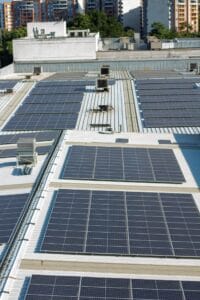
Many commercial buildings, particularly those with large flat or metal roofs, are well suited to solar installations. A professional assessment will help determine the best approach for your specific site.
Planning permission and regulations
In many cases, solar panels on commercial buildings fall under permitted development, meaning formal planning permission may not be required. However, there are exceptions, such as:
- Listed buildings
- Properties in conservation areas
- Installations that significantly alter the building’s appearance
You will also need to ensure compliance with electrical and safety regulations, as well as grid connection requirements. A qualified installer will typically manage these processes on your behalf.
What is the role of battery storage?
Battery storage can be added to a commercial solar system to store excess electricity for later use. This can be particularly useful if your business uses energy outside of peak solar generation hours. By storing electricity during the day and using it later, you can increase your self-consumption and reduce reliance on the grid.
Maintenance and lifespan
Solar panels are designed to be durable and require minimal maintenance. As such, routine upkeep generally includes:
- Occasional cleaning
- Periodic inspections
- Monitoring system performance
Most systems last 20 to 30 years or more, with inverters typically requiring replacement after 10 to 15 years. This long lifespan allows businesses to benefit from extended periods of reduced energy costs.
Impact on sustainability and brand image
Solar panels can play an important role in supporting your business’s sustainability goals. By generating renewable energy, you can:
- Reduce your carbon footprint
- Demonstrate environmental responsibility
- Support corporate social responsibility (CSR) initiatives
This can enhance your brand image and appeal to customers, clients, and stakeholders who value sustainable practices.
Choosing the right installer
Selecting an experienced and reputable installer is essential to the success of your project. A professional installer will:
- Assess your building and energy needs
- Design a system tailored to your requirements
- Ensure compliance with regulations
- Provide ongoing support and maintenance
Taking the time to choose the right provider can help ensure your system performs effectively over the long term.
So what do you need to know about solar panels for business?
Solar panels can offer businesses a practical way to reduce energy costs, improve sustainability, and gain greater control over electricity usage.
By understanding the key factors, such as cost, building suitability, system design, and long-term performance, you can make an informed decision about whether solar energy is right for your business.
For more information or advice, why not contact the experts today, here at the Eco Renewables Group? We work across the UK, from Oxford to Leicester, to deliver high quality solar power solutions.