Rising energy costs, sustainability targets, and environmental responsibility are becoming increasingly important considerations for UK businesses. Green energy offers a way to reduce your carbon emissions while gaining greater control over long-term energy expenses and reducing energy bills. So what are the different green energy options for businesses? And what should you consider?
Purchasing renewable electricity from the grid
One of the simplest ways to reduce your business’s carbon footprint is by switching to a renewable electricity tariff. These tariffs supply electricity generated from sources such as wind, solar, and hydro through the national grid.
This option requires no on-site installation and can be implemented quickly. However, while it reduces the carbon intensity of your electricity supply, it does not protect you from price volatility or reduce your dependence on external energy providers.
On-site solar power generation
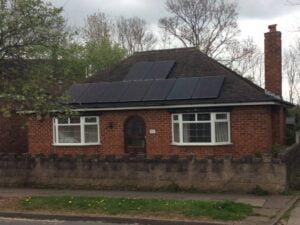
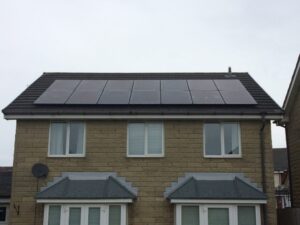
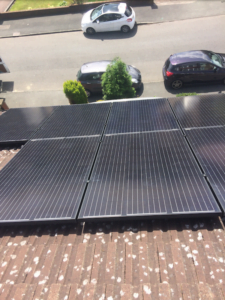
Installing solar panels on your premises allows you to generate your own renewable electricity. Solar power is one of the most accessible and widely adopted green energy solutions for UK businesses, suitable for offices, warehouses, retail units, and industrial sites.
By producing electricity on-site, you can reduce grid reliance, lower energy bills, and gain greater energy independence. Excess electricity can also be exported back to the grid or stored for later use, depending on your system setup.
Wind energy solutions
Wind power can be a viable option for businesses with access to suitable land, particularly in rural or coastal areas. Small-scale wind turbines can generate renewable electricity directly on-site.
While wind energy can produce significant output, it is more location-dependent than solar and often requires planning permission and detailed feasibility studies. Installation costs and visual considerations also make it less suitable for many urban or suburban business premises.
Biomass and bioenergy
Biomass systems generate heat or electricity by burning organic materials such as wood pellets, agricultural waste, or other biological matter. These systems are more commonly used for heating rather than electricity generation.
Biomass can be effective for businesses with high heating demands, such as manufacturing or agricultural operations. However, it requires fuel storage, regular maintenance, and ongoing fuel supply management, which may not suit all business models.
Heat pumps for low-carbon heating
Heat pumps provide a renewable alternative to traditional gas or oil heating. Air source and ground source heat pumps extract heat from the environment and convert it into usable warmth for buildings.
For businesses looking to decarbonise heating, heat pumps can be an effective solution, particularly when paired with good insulation. They do not generate electricity, but they significantly reduce heating-related emissions.
Why are solar panels ideal for UK businesses?
Among all green energy options, solar panels stand out as one of the most practical and cost-effective solutions for businesses.
Solar panels generate electricity from daylight rather than direct sunshine. This makes them suitable for year-round operation, even under cloudy conditions. Modern panels are also designed to maximise output in diffuse light, making them well suited to British weather.
From a financial perspective, solar panels offer strong long-term returns. Businesses often use a significant amount of electricity during daylight hours, which aligns closely with solar generation. This high level of self-consumption helps maximise savings and shortens payback periods.
Solar installations are also scalable. Systems can be tailored to your roof size, energy usage, and future expansion plans. Whether you want to offset a portion of your electricity demand or significantly reduce grid reliance, solar systems can be designed to match your goals.
In addition, solar panels visibly demonstrate your commitment to sustainability. This can support corporate social responsibility objectives, strengthen brand reputation, and appeal to environmentally conscious clients and partners.
Combining solar with battery storage
Solar panels can also be paired with battery storage. Batteries store excess electricity generated during the day and make it available when demand is higher or generation is lower.
This approach helps smooth out energy usage patterns, reduces peak demand charges, and improves resilience against price fluctuations or grid disruptions.
Choosing the right green energy solution
The best green energy option for your business depends on your premises, energy usage profile, budget, and sustainability targets. Many businesses choose a combination of solutions, such as on-site solar generation alongside renewable grid tariffs or low-carbon heating technologies.
A professional assessment can help identify which technologies will deliver the greatest benefit and how they can be integrated into your existing operations.
So what are the options for green energy for businesses?
From renewable electricity tariffs to on-site generation and low-carbon heating, there are a range of green energy solutions to suit a wide range of sectors and business types. Solar panels, in particular, offer a balance of reliability, affordability, and long-term value. By investing in green energy, you can build a more resilient and future-ready business.
For more information or advice, why not contact the experts today, here at the Eco Renewables Group? We work across the UK, from Norwich to Nottingham, to deliver high quality solar power solutions.