Choosing renewable energy for your small business can help you reduce your reliance on traditional energy sources while giving you greater control over how your business uses energy. With several renewable technologies available, it is important to consider which options are appropriate for your property, budget and day-to-day energy requirements. From solar panels and battery storage to heat pumps and small-scale wind energy, different renewable solutions can offer different benefits. So what should you consider when choosing renewable energy for your small business?
What Renewable Energy Options Are Available to Small Businesses?
There is no single renewable energy solution that will suit every business. The most appropriate option will depend on a variety of factors such as your location, property, available space, energy consumption and budget. Some of the options you could consider include:
- Solar panels for generating electricity from sunlight
- Battery storage for storing surplus renewable electricity
- Heat pumps for efficient heating and hot water
- Small-scale wind turbines where conditions are suitable
- Biomass systems for renewable heating
- Hydropower where an appropriate water source is available

Solar Panels for Small Businesses
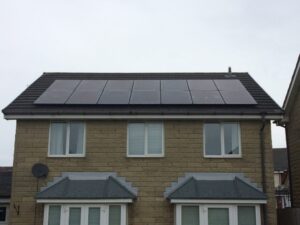
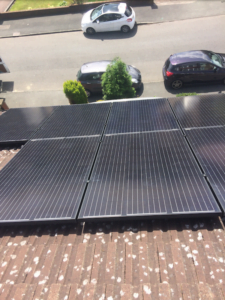
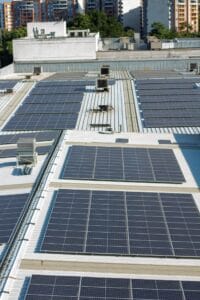
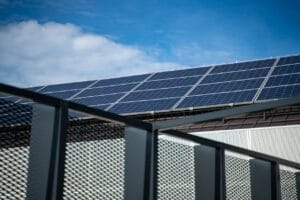
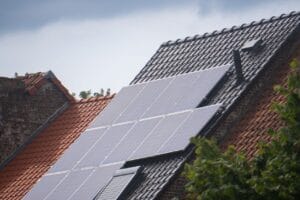
Solar panels can be a practical option for many small businesses, particularly if you have a suitable roof or other available space for installation. These are designed to generate electricity from daylight, allowing you to produce some of the electricity your business needs on-site.
This can be particularly useful if your business operates during the daytime, as you may be able to use a significant proportion of the electricity while your panels are generating it. For example, solar electricity could help power computers, lighting, refrigeration, machinery, office equipment and other electrical systems.
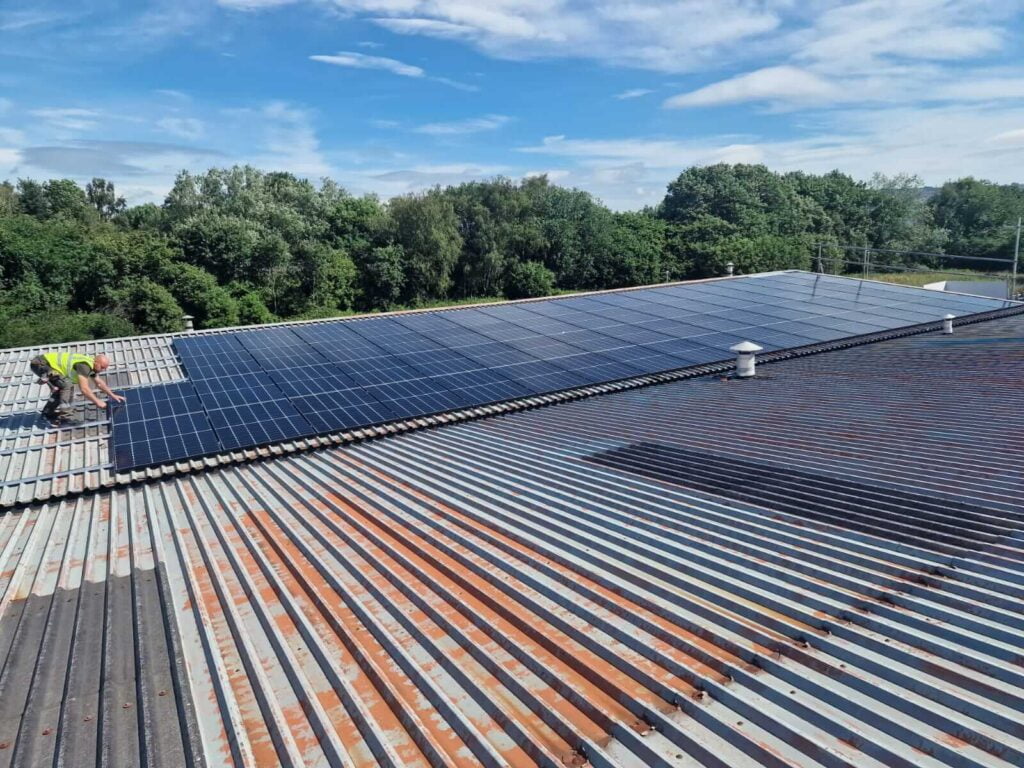
When considering solar panels, you should look at your available roof space, roof condition, orientation, pitch and shading. Your current and future electricity consumption should also be considered when determining the appropriate system size.
A professional solar installer can assess your property and energy requirements before recommending a suitable system.
Battery Storage
Battery storage can complement renewable energy systems, particularly solar panels.
Solar panels generate the most electricity during daylight hours, but your business may continue using electricity after the sun has gone down. A battery allows surplus electricity generated earlier in the day to be stored and used later. This could help you make greater use of your own renewable electricity rather than purchasing as much power from the grid.
Battery storage can be particularly relevant if your business has evening operating hours or uses significant amounts of electricity outside the main solar generation period.
Heat Pumps
Heat pumps are another renewable energy technology that some small businesses may wish to consider. Rather than generating heat by burning fuel, heat pumps use electricity to transfer heat from sources such as the air or ground into a building. They can be used for space heating and, depending on the system, hot water.
Heat pumps may be worth considering if heating represents a significant proportion of your business’s energy consumption. However, the suitability of a heat pump will depend on your building, existing heating system, insulation and heating requirements.

Small-Scale Wind Energy
Small wind turbines can generate electricity from wind and may be an option for businesses with sufficient land and suitable local wind conditions. However, wind energy is much more dependent on location than solar panels. You will need to consider factors such as available space, wind speeds, surrounding buildings, planning requirements and potential environmental considerations.
For businesses in exposed locations with appropriate land, a small-scale wind system may be worth investigating. For properties in built-up areas, there may be fewer opportunities for this type of installation.
Biomass Energy
Biomass systems use organic materials, such as sustainably sourced wood pellets or other biomass fuels, to generate heat. This can provide an alternative to conventional heating systems for certain commercial properties.
Biomass may be particularly relevant to businesses with suitable heating requirements and enough space for the equipment and fuel storage. But there are also practical considerations such as fuel supply, storage, maintenance and emissions, so you should assess the complete system rather than focusing solely on the renewable fuel source.
Consider How Your Business Uses Energy
Before selecting a renewable energy technology, it is important to understand your existing energy consumption. You should consider how much electricity and heating energy your business uses, as well as when you use it.
For example, solar panels may be particularly useful if your business has substantial daytime electricity consumption, while battery storage could provide additional value if you also use significant amounts of electricity in the evening.
Understanding your energy profile allows you to consider renewable technology based on how your business actually operates.
Think About Installation Costs
The initial cost of renewable energy can vary considerably depending on the technology and size of the system. As such, you should consider more than the initial installation price when comparing options. You should also look at the potential energy savings, maintenance requirements, equipment lifespan and expected performance over time.
It can also be useful to consider whether your business may be able to generate income from surplus electricity or benefit from relevant incentives or tax arrangements.
A professional assessment can help you understand the likely costs and potential benefits for your particular property.
Consider Your Available Space
The amount and type of space available at your premises can significantly affect which renewable energy technologies will be suitable for you.
For example, solar panels may require suitable roof space, while wind turbines need appropriate outdoor space, planning permission, and suitable wind conditions. Heat pumps require suitable locations for their equipment, and biomass systems may require room for fuel storage.
For this reason, assessing your premises before choosing a technology is important as this can prevent you from investing in a system that is difficult or unsuitable to install.
Renewable Energy for Small Businesses
There are several renewable energy options available to small businesses, including solar panels, battery storage, heat pumps, wind turbines, and biomass. The right choice will depend on your property, energy consumption, available space, budget and long-term business plans.
Solar panels can be particularly useful for businesses with suitable roof space and daytime electricity demand, while battery storage can help you make greater use of renewable electricity later in the day. Other technologies may also be appropriate depending on your location and heating or energy requirements.
By assessing your energy use and property before making a decision, you can identify the renewable energy options that could work for your business and develop a solution around your specific needs.
For more information or advice, why not contact the experts today, here at the Eco Renewables Group? We work across the UK, from Oxford to Derby, to deliver high quality solar power solutions.