If you’re thinking about installing solar panels and generating your own energy, you might be wondering how much electricity you can sell back to the grid. This is a great option if your solar panels create more electricity than you need, and it can provide a noticeable financial benefit alongside the energy bill reduction you can expect from solar panel installation. But how much electricity can you actually sell back to the grid?
Can you sell excess solar energy?
In many cases, yes. If your solar panel system generates more electricity than your household is using at a particular time, the surplus energy can often be exported to the national grid. Rather than allowing this electricity to go to waste, eligible households may be able to receive payments from their energy supplier for the energy they export. However, the amount you can sell back will depend on both how much surplus electricity you generate, and the terms of your export arrangement.
What determines how much electricity you can export?
Several factors influence how much electricity is available to sell back to the grid, including:
- The size of your solar panel system
- How much electricity your household consumes
- The time of day you use energy
- Seasonal variations in solar generation
- Whether battery storage is installed
How does household energy usage affect exports?
The more electricity you use as it is generated, the less surplus energy will be available to export. For example, households that are empty during the day may export more electricity because there is less demand within the home while the panels are producing energy. On the other hand, households that run appliances during daylight hours may use a larger share of their solar generation themselves.
Neither approach is necessarily better, as the value of using electricity directly compared with exporting it will depend on your individual circumstances.
What role does battery storage play?
Battery storage can affect the amount of electricity you sell back to the grid. This is because instead of exporting excess electricity immediately, a battery allows you to store unused energy for later use. This can help you:
- Increase your self-consumption of solar energy
- Reduce reliance on grid electricity
- Use stored energy during the evening
- Potentially lower your energy bills further
However, this does mean that if you opt for battery storage, you are likely to export less electricity than households without a battery system.
How are export payments calculated?
Export payments are typically based on the amount of electricity your system sends back to the grid. The amount you receive can vary depending on factors such as:
- Your chosen energy supplier
- The export tariff available
- The quantity of electricity exported
- Any terms and conditions attached to the agreement
Because export rates can change over time, it is worth reviewing available options to understand what may be achievable.
Does the time of year make a difference?
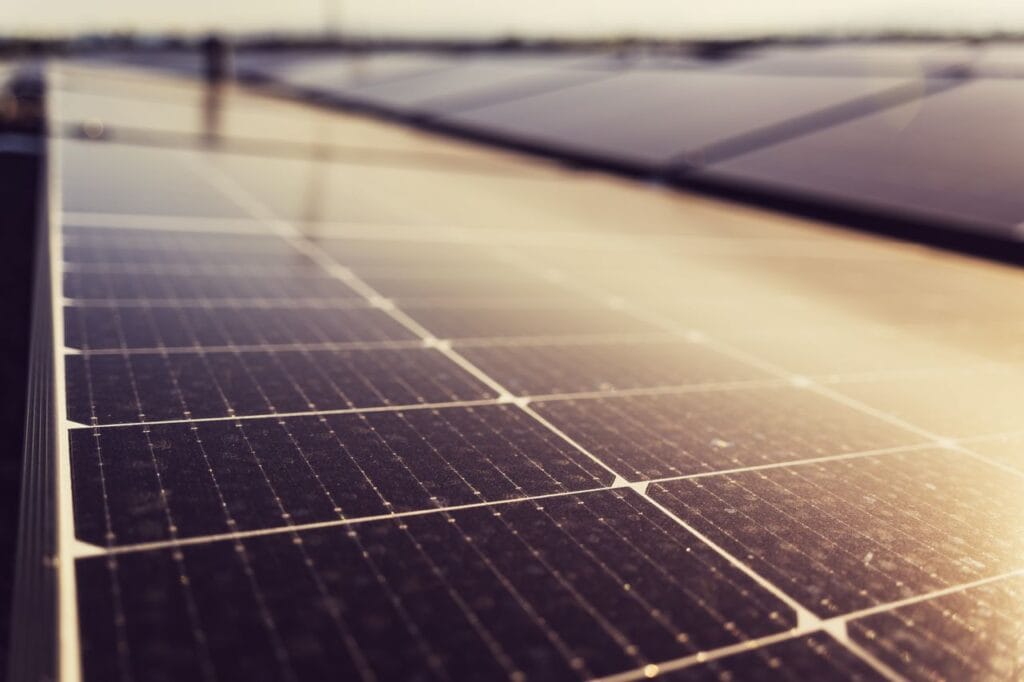
It is important to note that solar panel generation naturally fluctuates throughout the year. During the summer months for example, longer daylight hours and stronger sunlight can lead to increased electricity production, meaning you may export more energy than usual. During winter, lower generation levels may result in less electricity being available for export, particularly if more of the energy produced is needed within the home.
So, how much electricity can you sell back to the grid?
The amount of electricity you can sell back to the grid depends on a range of factors, including the size of your solar panel system, your household’s energy usage patterns and whether you have battery storage. The more surplus electricity your system generates, the greater the potential opportunity to export energy and benefit from available export arrangements.
For more information or advice, why not contact the experts today, here at the Eco Renewables Group? We work across the UK, from Hull to Lincoln, to deliver high quality solar power solutions.