In many cases, solar installations are straightforward from a regulatory perspective, but there are important exceptions and requirements to be aware of. So do solar panels require planning permission? And what do you need to know about planning permission for solar panels?
Do solar panels require planning permission?
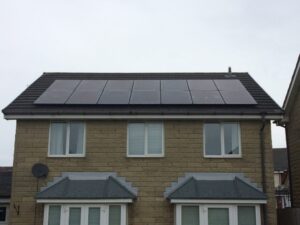
In the UK, most solar panel installations fall under permitted development rights, which means you do not usually need to apply for formal planning permission. This applies to many domestic and some commercial properties, provided certain conditions are met. These rules are designed to make it easier for property owners to adopt renewable energy solutions.
However, permitted development is not automatic in every situation, so it is important to confirm whether your installation qualifies.
What are the conditions for permitted development for solar panels?
To fall within permitted development, solar panels must meet specific criteria, including:
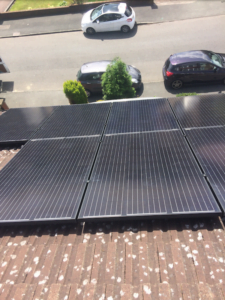
- Panels should not protrude excessively from the roof surface
- The installation should not extend above the highest part of the roof (excluding chimneys)
- The system should be positioned to minimise its visual impact
For most standard residential installations, these conditions are straightforward to meet.
So, when is planning permission required?
There are certain situations where planning permission may still be needed. These can include:
- Listed buildings, where additional protections apply
- Properties in conservation areas, particularly if panels face a public road
- Ground-mounted systems that exceed size or height limits
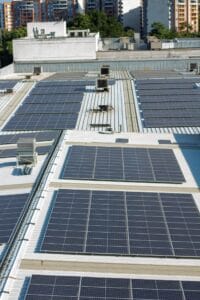
- Commercial installations with larger or more visible arrays
What are the planning rules for commercial buildings?
For commercial properties, planning requirements can be slightly more complex. While some installations may still fall under permitted development, larger systems or those that significantly alter the building’s appearance may require approval. As such, you may need to consider:
- The size and scale of the system
- The visibility of panels from public areas
- The structural impact on the building
A professional installer or planning consultant can help you navigate these requirements.
Building regulations and safety standards
Even if planning permission is not required, your solar panel system must still comply with building regulations. These regulations ensure that:
- The roof structure can safely support the panels
- Electrical systems are installed correctly
- Fire safety standards are met
While compliance is typically handled by your installer, it is important to be aware that these checks are part of the process.
Grid connection approval
In addition to planning considerations, your solar panel system must be connected to the electricity grid safely. This usually involves notifying or obtaining approval from your local Distribution Network Operator (DNO). The requirements depend on the size of your system.
Your installer will typically manage this process, ensuring your system meets all necessary technical standards.
Listed buildings and conservation areas
If your property is listed or located in a conservation area, planning rules are more restrictive. You may need to:
- Apply for listed building consent
- Ensure panels are not visible from certain viewpoints
- Use designs that minimise visual impact
These cases often require more detailed planning, so early consultation with your local authority is advisable.
Do you need to inform your neighbours?
In most cases, you are not required to notify your neighbours when installing solar panels. However, if the installation affects a shared structure, such as a party wall, you may need to follow the Party Wall Act procedures.
While not always necessary, informing neighbours in advance can help maintain good relations.
How to check your requirements
Before proceeding, it is always best to confirm your specific planning requirements. You can do this by:
- Consulting your local planning authority
- Speaking with a qualified solar installer
- Reviewing official planning guidance
Most reputable installers will guide you through the process and handle any required applications on your behalf.
So, what do you need to know about planning permission for solar panels?
In many cases, solar panels can be installed without planning permission under permitted development rights. However, exceptions apply for certain property types, locations, and larger installations. By understanding the rules around planning permission, building regulations, and grid connection, you can ensure your project runs smoothly and complies with all requirements. If you are unsure, seeking professional advice early in the process is the best way to avoid delays and ensure your solar installation is completed successfully.
For more information or advice, why not contact the experts today, here at the Eco Renewables Group? We work across the UK, from Oxford to Leicester, to deliver high quality solar power solutions.