Solar energy is one of the most widely used forms of renewable energy, helping homes and businesses generate electricity from the sun. Although the technology behind solar panels is highly advanced, the process of converting sunlight into usable electricity is surprisingly straightforward. But how does solar energy work? And could this be the right choice for your home or business?
How do solar panels capture sunlight?
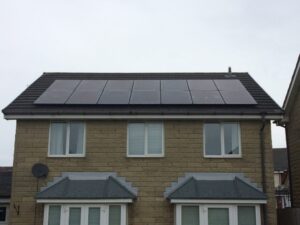
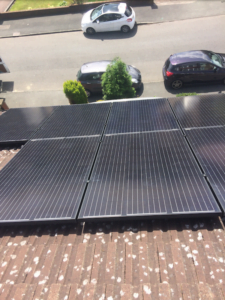
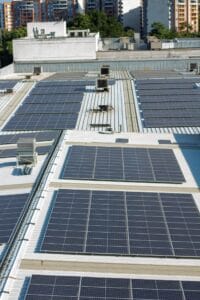
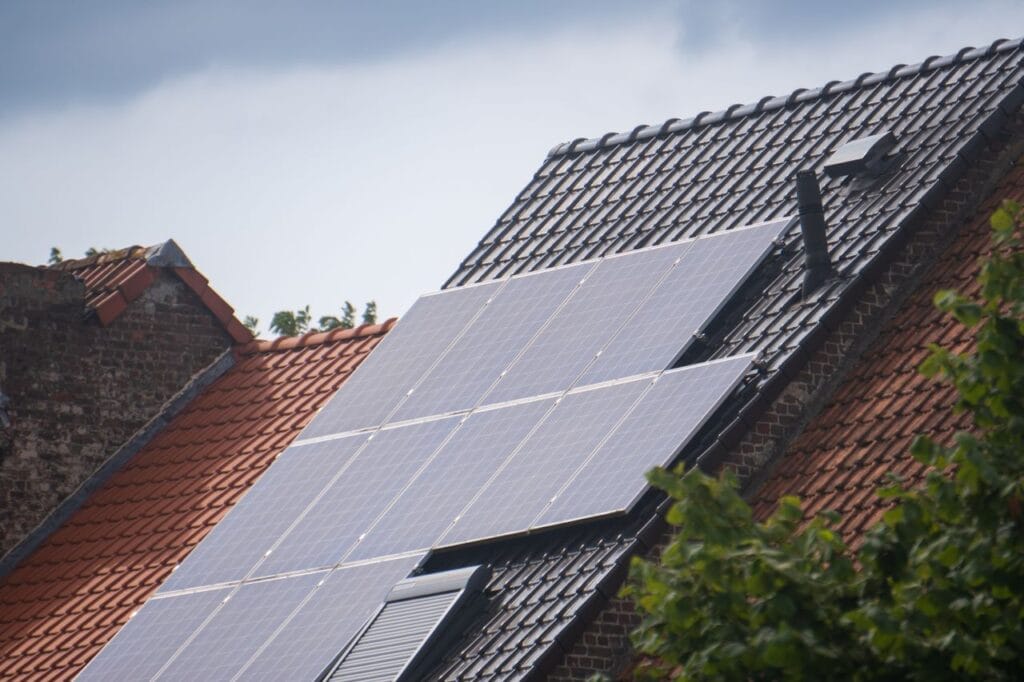
Solar panels are designed to absorb sunlight using photovoltaic (PV) cells. These cells are made from semiconductor materials, most commonly silicon, which react when exposed to daylight. As sunlight reaches the surface of the panels, the photovoltaic cells capture the sun’s energy and begin the process of generating electricity. Even on cloudy days, solar panels can still produce electricity, although generation levels may be lower than during bright sunshine.

How is electricity generated?
Once sunlight has been absorbed, the photovoltaic cells create an electrical current. This process takes place without any moving parts, making solar panels both reliable and low maintenance. The electricity initially produced is known as direct current (DC), which cannot usually be used directly by most household appliances. Instead, the electricity passes through another important part of the system before it can power your home.
What does the inverter do?
The inverter is one of the most important components of a solar panel system. Its role is to convert the direct current (DC) generated by the panels into alternating current (AC), which is the type of electricity used by homes and businesses across the UK. Without this, the electricity generated by your solar panels would not be suitable for normal household use. But once converted, the electricity can be used to power everyday appliances such as:
- Lighting
- Kitchen appliances
- Computers and televisions
- Washing machines
- Heating controls
What happens to unused electricity?
Your solar panels may sometimes generate more electricity than your property needs. When this happens, there are generally two options:
- Store the excess electricity in a battery for later use
- Export the surplus electricity back to the national grid
Which option is most suitable will depend on whether your system includes battery storage and how your household uses electricity throughout the day.
Does solar energy work throughout the year?
Solar panels generate electricity whenever there is daylight, not just during the summer months. However, the amount of energy generated does tend to change with the seasons because:
- Summer days are longer
- Winter daylight hours are shorter
- Weather conditions affect the amount of sunlight available
Although production is usually highest during the summer, modern solar panels continue to generate useful amounts of electricity throughout the year.

What affects how much electricity is generated?
Every solar installation performs slightly differently depending on the property, and the amount of electricity generated can be influenced by several factors, including:
- The size of the solar panel system
- The efficiency of the panels
- The direction your roof faces
- The angle of the roof
- Any shading from trees or neighbouring buildings
So, how does solar energy work?
Solar energy works by capturing sunlight through photovoltaic cells, converting it into electricity and supplying that power to your home or business through an inverter. Any unused electricity can often be stored in a battery or exported to the grid, allowing you to make the most of the energy your system generates.
For more information or advice, why not contact the experts today, here at the Eco Renewables Group? We work across the UK, from Oxford to Derby, to deliver high quality solar power solutions.