Solar power is a fantastic option for reducing your energy bills and your carbon footprint. In fact, many new builds are now being built with solar panel systems fitted as standard. This is because solar energy is 100% renewable, contributing towards net zero climate goals. But to get the most out of your solar panels, it’s important to consider solar panel performance, and the different factors that can impact this.
So what can influence solar panel performance?
There are a number of different factors that can have a negative impact on the performance of your solar panels. These factors include:
The roof itself
Factors regarding your roof itself can also influence the performance of your solar panels. While a south facing roof with a pitch of 35 degrees will ensure maximum performance from your solar panels, roofs with different characteristics may not perform as well. When you choose a reputable solar panel installation team, like us here at Eco Renewables, you can expect honest, accurate guidance in relation to the expected solar panel output and long-term performance.
In addition to the pitch, you will also need to factor in shade, general location and local sunshine hours.
- Shade: Shade can block out sunlight, meaning that instead of having access to the full amount of the sun’s rays, the solar panels have less light to work with. With less solar irradiation available, your panels will naturally see a drop in performance. Even small areas of shade, from chimneys, trees or neighbouring buildings, can have a negative impact on efficiency.
- General location and sunshine hours: Where you live in the UK has a surprisingly strong influence on solar performance. Although the UK is not famous for constant sunshine, different regions receive different levels of daylight and direct sunlight throughout the year. Southern areas, for example, tend to have longer sunshine hours and higher solar irradiation levels compared to northern regions, which can boost annual energy output. Elevation, proximity to the coast, and local weather patterns also play a role. When your installer designs your system, they will use local irradiance data to provide a realistic estimate of the energy your panels can produce.
Dust, dirt and debris
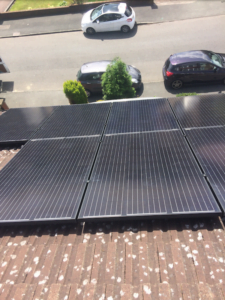
One of the most common questions we are asked is “do dirty solar panels affect performance?” and the simple answer is yes. Dust, dirt and debris can influence the performance of your solar panels. A layer of dirt can block out the sunlight, and prevent your solar panels from absorbing as much light as they usually do. This means you may notice a decline in your solar panels performance or output.
Although frequent rainfall will clear off your solar panels regularly, over time more and more dirt accumulates. This means that a bi-annual cleaning of the solar panels will be necessary to keep them performing in top form.
Heat
Another question we are often asked is “does heat affect solar panel performance?” Surprisingly, the answer is also yes. While solar panels need sunlight to operate, they don’t actually perform better in hot temperatures. In fact, excessive heat can reduce efficiency. Most panels are tested at 25°C, and anything above this can cause a small but noticeable drop in output. This is because higher temperatures increase the electrical resistance within the panel.
The good news is that solar panels are designed with ventilation gaps beneath them to allow airflow, helping to naturally cool the panels on warmer days. In the UK, heat-related performance losses are usually minor, but still worth keeping in mind.
How to measure solar panel performance?
Monitoring solar panel performance is easier than ever. Most modern systems come with an online portal or smartphone app that displays real-time energy generation, historical performance, and any irregularities. This allows you to spot unexpected drops in output quickly. This is often the first indication of shading changes, dirt build-up, or a technical issue.
Additionally, you can compare your system’s actual generation with the estimate provided in your MCS certificate or installation report. Seasonal variations will naturally occur, but significant long-term deviations should be investigated by a professional.
For more information or advice, get in touch with the experts today, here at the Eco Renewables Group.