If you are considering solar panels for your business, you might be wondering how long they will be useful for. Solar panels can be quite the investment, so knowing how long you can expect them to last, can help you make a realistic and informed decision. Well, the good news is that solar panels are designed for long term use and can provide a reliable source of renewable energy for decades. So how long do commercial solar panels last? And what can you expect?
What Is The Lifespan of Commercial Solar Panels?
Most commercial solar panels have an expected operational lifespan of 25 to 30 years or more. However, reaching the end of this period does not necessarily mean that the panels will stop working. Instead, their electricity generation will gradually decrease as the equipment ages. Understanding this gradual change in performance can help you assess the potential value of an installation for your business.
The actual lifespan, rather than the expected lifespan, of a commercial solar installation depends on factors including the quality of the equipment, installation standards, environmental conditions, and how well the system is maintained.
What Happens as Solar Panels Age?
Solar panels generally do not fail suddenly when they reach a particular age. Instead, they experience a gradual reduction in their ability to generate electricity, known as degradation.
A panel installed today may produce slightly less electricity after 10, 20, or 25 years than it did when it was new. However, modern panels are designed to retain a significant proportion of their original performance throughout their operational life. In fact, typical degradation rates are often only around 0.3% to 0.5% per year.
This means an older commercial system can continue making a useful contribution to a business’s electricity requirements for many years.
What Can Affect the Lifespan of a Commercial Solar System?
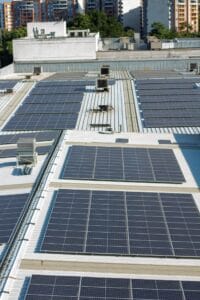
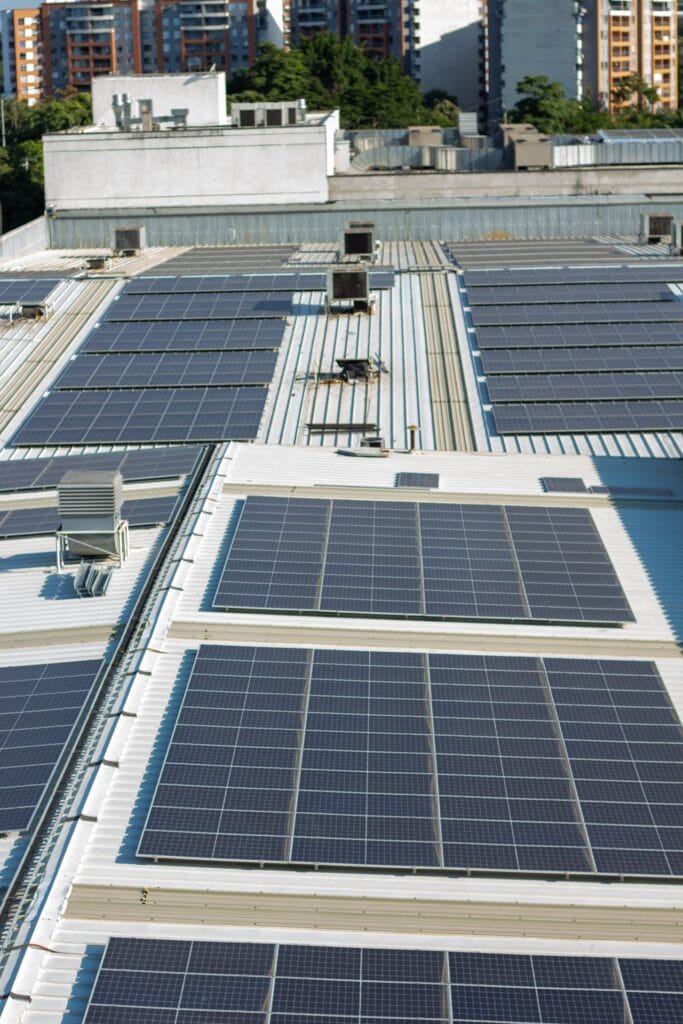
Commercial solar installations can be exposed to demanding conditions, particularly when installed on large industrial or warehouse buildings. Factors that can influence long-term performance include:
- Extreme weather and temperature changes
- Wind exposure
- Dirt and debris
- Poor installation practices
- Damage to panels or mounting equipment
- Faults with electrical components
By choosing an experienced installation team, you can reduce the opportunity for potential problems and support long-term system performance.
The Importance of Commercial Roof Conditions
The roof itself is an important consideration when installing solar panels on a commercial property. If you install solar panels on a roof that requires replacement in the near future, for example, this could create additional costs and disruption later. As such, before installation, your roof should be assessed for its condition, structure, and expected remaining lifespan. A professional installer can help determine whether your roof is suitable and whether any repairs or improvements should be carried out before the solar system is installed.
How Long Do Commercial Solar Inverters Last?
The solar panels are not the only components to consider when looking at system longevity. The inverter, which converts the electricity generated by the panels into electricity that can be used by the building, generally has a shorter expected lifespan than the panels themselves. Depending on the type of inverter and operating conditions, replacement may be required during the solar system’s lifetime.
This does not mean the entire installation needs to be replaced. In many cases, individual components can be repaired or replaced while the panels continue operating.
Does Commercial Solar Require Much Maintenance?
One advantage of commercial solar panels is that they typically require relatively little routine maintenance. Regular monitoring can help identify changes in performance, while periodic inspections can check the condition of the panels, mounting system, cabling, and other components.
Depending on the location of the installation, cleaning may also be beneficial. Commercial buildings in areas with significant dust, pollution, or debris may require more frequent cleaning than others.
Can You Extend the Life of Commercial Solar Panels?
While degradation is a normal part of solar panel ageing, good maintenance can help your system continue performing effectively. As a result, you can support long-term performance by:
- Monitoring energy generation
- Arranging periodic inspections
- Keeping panels clear of excessive dirt and debris
- Addressing faults promptly
- Maintaining accurate records of servicing and repairs

What Happens After 25 Years?
Reaching the end of a panel’s performance warranty does not automatically mean that replacement is necessary. If your panels are still producing electricity at a useful level and remain in good condition, you may choose to continue operating the system.
Alternatively, you could consider upgrading to newer technology if more efficient panels become available or your business’s energy requirements change. By this stage, newer equipment may be capable of generating more electricity from the same amount of roof space, making a system upgrade worth considering.
So How Long Do Commercial Solar Panels Last?
Commercial solar panels can last 25 to 30 years or more, with performance gradually declining rather than stopping suddenly. The panels themselves are generally built to withstand long-term exposure to outdoor conditions, while components such as inverters may require replacement sooner.
If you are considering commercial solar, an experienced installation team can assess your building, energy requirements, and existing infrastructure to help you choose a system designed for long-term performance.
For more information or advice, why not contact the experts today, here at the Eco Renewables Group? We work across the UK, from Oxford to Derby, to deliver high quality solar power solutions.