As solar energy continues to gain popularity, many homeowners and businesses are exploring whether solar panels are a practical investment, in light of the often unpredictable weather. One of the most common questions people ask is: do solar panels need direct sunlight to work? Well, the short answer is no. While direct sunlight helps maximise performance, solar panels can still generate electricity in less-than-ideal conditions.
No, solar panels do not need direct sunlight to generate electricity. Photovoltaic cells respond to light rather than heat, so panels keep working in indirect or diffused daylight, including on cloudy days. Output is highest in direct sun and lower under heavy cloud, and panels do not generate electricity at night.
How do solar panels work?
Solar panels are made up of photovoltaic (PV) cells, typically composed of silicon. These cells convert light from the sun into electricity through the photovoltaic effect. When sunlight hits a PV cell, photons (light particles) knock electrons loose within the silicon, creating an electric current. This current is then captured and converted into usable electricity for your home or business.
Importantly, PV cells respond to light, not heat. This means that solar panels don’t need the sun to feel hot or intense in order to produce power. Instead, they require sufficient light energy, which is still available even when the sun is obscured by clouds.
What is the difference between direct sunlight and indirect sunlight for solar panels?
Direct sunlight occurs when the sun’s rays reach the panels without obstruction. This is the ideal condition for maximum solar generation, as it provides the most intense and consistent light energy. However, indirect sunlight, which is light that has been scattered or diffused by clouds, haze, or reflections, can still be harnessed by solar panels.
Modern solar technology has advanced to the point that panels are capable of operating efficiently in a range of lighting conditions. High-quality PV systems include anti-reflective coatings and improved cell designs to capture as much light as possible from multiple angles, including indirect and ambient light.
As a result, while direct sunlight increases efficiency and output, solar panels will continue to generate electricity even on dull or overcast days.
What type of solar performance can you expect in cloudy weather?
The UK is not known for constant sunshine, so it’s natural to wonder whether cloudy skies will limit the benefits of solar power. The truth is that solar panels perform surprisingly well in cloudy weather. While their output will drop compared to bright, clear days, they can still produce 10–25% of their normal capacity when the sky is overcast.
The actual performance depends on factors such as cloud density, panel orientation, and the specific technology used. For example, monocrystalline panels, often found in higher-end systems, tend to perform better in low-light conditions compared to polycrystalline alternatives. Some modern panels are even designed with advanced materials that enhance low-light absorption.
In fact, certain parts of the UK, such as Scotland and northern England, are seeing a growing number of solar installations despite lower average sunlight hours. This demonstrates that direct, uninterrupted sunlight is not essential for solar viability.
What are the seasonal and geographic considerations for solar panels?
It’s worth noting that solar output naturally fluctuates throughout the year. During the summer months, longer daylight hours and higher sun angles lead to greater energy generation. In winter, shorter days and a lower sun position reduce daily output, but panels still continue to produce electricity whenever light is available.
Even during the darker months, diffused sunlight contributes significantly to generation. The UK’s solar potential may be less than that of sunnier countries, but it remains high enough to make solar panels a valuable and sustainable energy option.
In addition, solar systems connected to the grid allow homeowners to draw electricity when needed and export excess power during peak generation, ensuring consistent energy availability year-round.
How important is the installation and the orientation?
Getting the most out of your solar panels isn’t just about how much sunlight reaches your area, it’s also about how efficiently your panels capture it. Proper installation, tilt, and orientation play a crucial role.
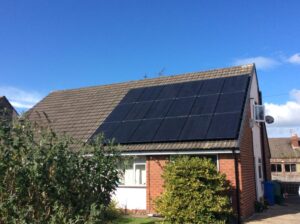
In the UK, panels are typically installed facing south to receive the most direct sunlight throughout the day. A tilt angle of around 30 to 40 degrees usually provides the best year-round performance, although this can vary depending on roof shape and location.
Shading from trees, chimneys, or nearby buildings should be minimised, as even small amounts of shade can reduce output significantly. If complete shade avoidance isn’t possible, technologies such as microinverters or power optimisers can help maintain efficiency by allowing individual panels to operate independently.
Do solar panels work at night?
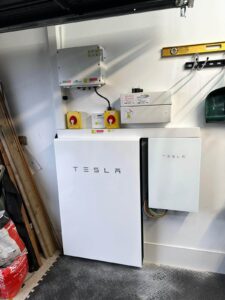
Because solar panels rely on light rather than heat, they do not generate electricity after sunset. However, this doesn’t mean your home loses power. During daylight hours, excess energy can be fed into the grid or stored in a solar battery, which allows you to use it later in the evening or at night.
Battery storage solutions have become increasingly popular as they enhance self-sufficiency, reduce reliance on the grid, and increase the financial return from solar installations.
So, do solar panels need direct sunlight?
Not necessarily. While direct sunlight produces the most electricity, modern solar panels are designed to perform efficiently even under cloudy or diffused light conditions. They continue generating power throughout the year, making them a practical choice for the UK’s varied weather.
Whether you live in a sunny southern region or a cloudier northern area, a well-designed and professionally installed solar system can deliver substantial energy savings and a smaller carbon footprint. With continuous improvements in solar technology and storage options, investing in solar power remains a smart, sustainable, and future-proof decision.
Frequently asked questions
Do solar panels work on cloudy days?
Yes. Clouds scatter sunlight rather than blocking it completely, so solar panels continue to generate electricity from diffused light. Output is lower than on bright, clear days, and the amount produced depends on factors such as cloud density, panel orientation and the type of panel installed.
Do solar panels work in the shade?
Solar panels can still generate some electricity in partial shade, but shading from trees, chimneys or nearby buildings can reduce output noticeably. Where some shade cannot be avoided, microinverters or power optimisers can allow individual panels to operate independently, which helps limit the effect on the rest of the system.
Do solar panels work in winter?
Yes. Shorter days and a lower sun position mean solar panels generate less electricity in winter than in summer, but they continue to produce power whenever daylight is available. Diffused light still contributes to generation during the darker months, even when the sun is hidden by cloud.
Which direction should solar panels face in the UK?
In the UK, solar panels are typically installed facing south to receive the most sunlight through the day, often at a tilt of around 30 to 40 degrees. The ideal set-up varies with roof shape, location and shading, so each roof should be assessed individually before installation.
For more information or advice, why not contact the experts today, here at the Eco Renewables Group? We work across the North West, from Sheffield to London, to deliver high quality solar power solutions.