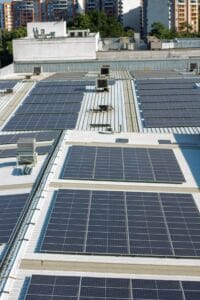
If you’re considering installing commercial solar panels at your business premises, you may be wondering how long the process will take and whether it will disrupt your day-to-day operations. From the initial roof assessment to the final connection, several stages need to be completed before your system can start generating electricity.
The time required depends on the size of your installation, the condition of your building, the equipment you choose and any permissions or grid connection approvals needed. Understanding the process can help you plan ahead and prepare your business for the installation.
How Long Does a Commercial Solar Panel Installation Take?
The physical installation of commercial solar panels can take anywhere from a few days to several weeks, depending on the size and complexity of the system. However, the complete process usually takes considerably longer because it includes surveys, system design, equipment ordering, grid connection arrangements and commissioning.
As a general guide, a straightforward commercial rooftop project may take around three to six months from the initial agreement to the system becoming operational. Larger or more complex projects can take longer, particularly if additional grid connection work or planning permission is required.
It is important to distinguish between the time spent physically fitting the panels and the overall project timeline. Even if the installation itself takes only a few weeks, the preparation beforehand can account for much of the time.
What Happens Before Commercial Solar Panels Are Installed?
Before work begins, your installer will need to assess your building and establish what type of solar system is suitable. This usually involves several stages.
1. Initial assessment and roof survey
Your installer will assess your roof’s condition, available space, orientation and exposure to daylight. They will also consider whether the structure can safely support the additional weight of the panels and mounting equipment.
The electrical infrastructure of your premises will also need to be reviewed to determine how the system can connect to your existing supply.
2. System design and quotation
Once the assessment is complete, your installer can design a system around your business’s electricity consumption and available roof space. This includes deciding how many panels you need, where they should be positioned and which inverter and mounting equipment are appropriate.
You should also receive information about the expected electricity generation, installation costs and potential savings.
3. Permissions and grid connection
Depending on the size and design of your system, you may need planning permission or approval from your local Distribution Network Operator (DNO) before connecting it to the electricity network.
Larger commercial systems may require a formal grid connection application. The time needed for approval can vary, particularly if the local network needs additional capacity or reinforcement.
These arrangements are worth starting early because they can affect the overall installation schedule.
How Long Does the Physical Installation Take?
Once the necessary preparation and approvals are complete, the physical installation can begin. For a smaller commercial rooftop system, the work may take approximately one to two weeks. Medium-sized installations can take several weeks, while much larger projects may require a number of months on site. The installation generally involves:
- Arranging scaffolding or suitable roof access equipment.
- Preparing the roof and fitting the mounting framework.
- Positioning and securing the solar panels.
- Installing the electrical cabling and inverter.
- Connecting the system to the building’s electrical infrastructure.
- Carrying out safety checks and performance testing.
The time required depends on the number of panels, roof layout, access arrangements and the complexity of the electrical work.
For example, a large warehouse with an extensive, unobstructed roof may allow installers to work efficiently across several sections. A smaller building with restricted access or multiple rooftop features may require more careful planning.
Will Commercial Solar Installation Disrupt Your Business?
One concern many business owners have is whether installing solar panels will interrupt their normal operations. In most cases, commercial solar installation can be organised around your existing business activities. Much of the work takes place on the roof, meaning employees, customers and daily operations can often continue as normal.
However, there may be some temporary disruption. Scaffolding, deliveries, lifting equipment and restricted access areas may need to be arranged. Your electrical supply may also need to be temporarily switched off during the final connection work.
A professional installer should discuss these arrangements with you beforehand and agree a suitable schedule to minimise disruption.
If your business operates throughout the day, you may be able to arrange certain activities outside normal working hours where necessary.
What Factors Can Delay Commercial Solar Panel Installation?
Although commercial solar projects follow a relatively straightforward process, several factors can affect how quickly the work is completed.
Roof condition and structural requirements
If your roof needs repairs or strengthening before installation, additional work will be required. Older buildings may also need further structural assessments before the system can be approved.
Weather conditions
Commercial solar panels are often installed at height, so poor weather can affect roof access and working conditions. Heavy rain, strong winds and icy conditions may delay certain installation activities.
Equipment availability
Solar panels, inverters and mounting equipment may have different delivery times. Delays in obtaining particular products can affect the installation schedule.
Planning and grid approvals
Planning applications and grid connection approvals can take time, particularly for larger installations or buildings with additional restrictions. If the local electricity network requires upgrades, the overall project may take considerably longer.
System size and complexity
A larger system naturally involves more equipment and installation work. Additional battery storage, complex electrical arrangements or multiple buildings can also increase the time required.
How Can You Prepare Your Business for Solar Panel Installation?
There are several steps you can take to help the installation run smoothly.
Firstly, make sure your installer has access to relevant building information, electricity bills and details about your existing electrical infrastructure. This can help them design a suitable system and identify potential issues early.
You should also discuss access arrangements, working hours and any areas of your premises that need to remain clear during installation.
If you lease your commercial property, make sure you have the necessary permission from the landlord before work begins.
Finally, ask your installer for an estimated project schedule that covers the preparation, installation and commissioning stages. This will help you understand what to expect and plan around your business commitments.
So, How Long Does It Take to Install Commercial Solar Panels?
The physical installation of commercial solar panels can take anywhere from a few days to several weeks, depending on the size and complexity of your system. However, the full process, including surveys, design, approvals and commissioning, may take around three to six months for a straightforward commercial rooftop project.
By preparing your building, arranging the necessary approvals early and choosing an experienced installer, you can help keep the project on schedule and minimise disruption to your business.
If you’re considering commercial solar panels, speaking to a professional installation team can help you understand the likely timescale, assess your building and plan a system that meets your business’s energy requirements.