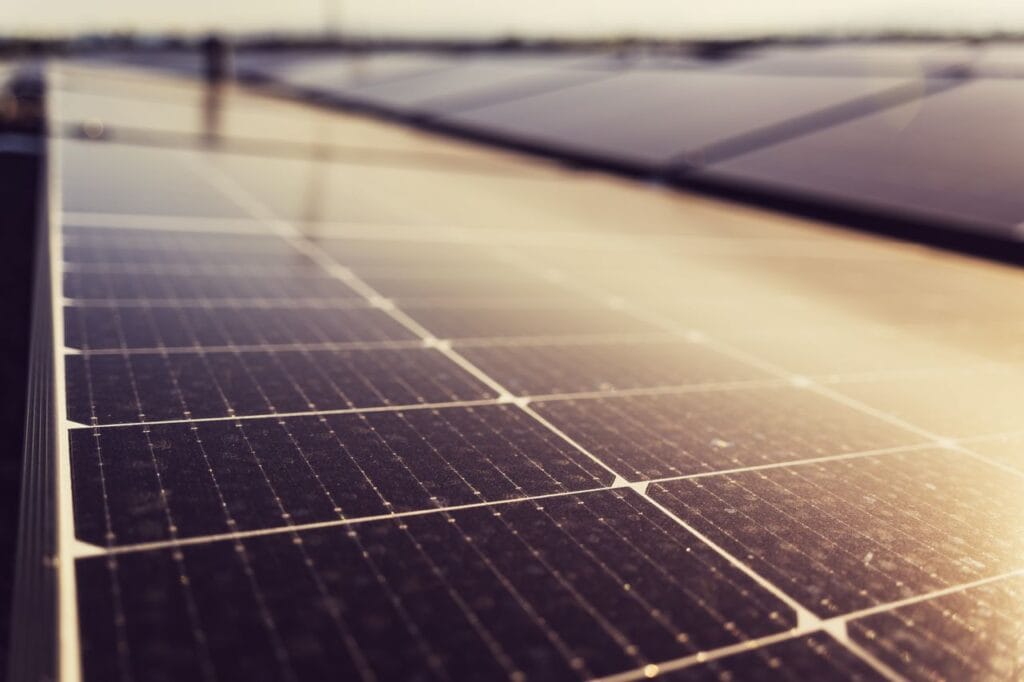
Designed to withstand years of exposure to the elements while efficiently converting sunlight into electricity, solar panels are created from a range of carefully engineered components that work together to generate renewable energy. But what exactly are solar panels made of, and why do these materials matter?
What are solar cells made from?
Solar cells are at the heart of every solar panel, and these are responsible for converting sunlight into electricity. Most residential and commercial solar panels use cells made from silicon, a naturally occurring element that is one of the most abundant materials found on Earth. Silicon has semiconductor properties, which allows it to absorb sunlight and generate an electrical current. There are several types of silicon cells available, including:
- Monocrystalline silicon
- Polycrystalline silicon
- Thin-film alternatives
Each option offers different characteristics in terms of efficiency, appearance and cost.
What is the glass layer for?
The front of a solar panel is protected by a layer of tempered glass. This glass is designed to:
- Protect the solar cells from weather and impact
- Allow sunlight to pass through efficiently
- Withstand changing temperatures
- Provide durability over many years of use
As well as being robust, the glass is engineered to achieve the maximum amount of light transmission, helping the panel perform effectively.
Why do solar panels have a metal frame?
Most solar panels are also surrounded by an aluminium frame. This serves several important purposes, including:
- Providing structural support
- Protecting the edges of the panel
- Allowing the panels to be securely mounted
- Helping the system withstand wind and adverse weather conditions
Aluminium is commonly used because it is lightweight, durable and resistant to corrosion.

What materials protect the solar cells?
In addition, solar cells require protection from moisture, dirt and environmental damage. To achieve this, manufacturers use encapsulant layers, which sit around the cells and help to:
- Secure the solar cells in place
- Absorb mechanical stresses
- Prevent water ingress
- Improve the longevity of the panel
These protective materials play an important role in ensuring the reliability and lifespan of the finished product.
What is the backsheet?
The backsheet forms the rear layer of many solar panels. Typically made from durable polymer materials, it helps to:
- Protect the internal components
- Provide electrical insulation
- Shield the panel from environmental conditions
- Contribute to the panel’s long-term durability
Together with the front glass layer, the backsheet helps protect the delicate components housed within the panel.
How do the electrical components work?
Solar panels also contain electrical elements that allow the electricity generated by the cells to be transferred safely throughout the system. These include:
- Conductive metal wiring
- Busbars that collect electrical current
- Junction boxes
- Connectors linking panels together

Are solar panels designed to last?
Solar panels are built to perform reliably in a wide range of weather conditions. The materials used are selected to withstand:
- Rain and moisture
- Strong winds
- Temperature fluctuations
- Prolonged exposure to sunlight
- Everyday environmental wear
As a result, many solar panels continue generating electricity for 25 years or more, often supported by long-term manufacturer warranties.
So, what are solar panels made of?
Solar panels are made up of a combination of carefully selected materials, including silicon solar cells, tempered glass, aluminium frames, protective encapsulants, backsheets and electrical components. Each element plays an important role in ensuring the panel can efficiently convert sunlight into electricity while withstanding years of exposure to the British climate.
For more information or advice, why not contact the experts today, here at the Eco Renewables Group? We work across the UK, from Hull to Lincoln, to deliver high quality solar power solutions.