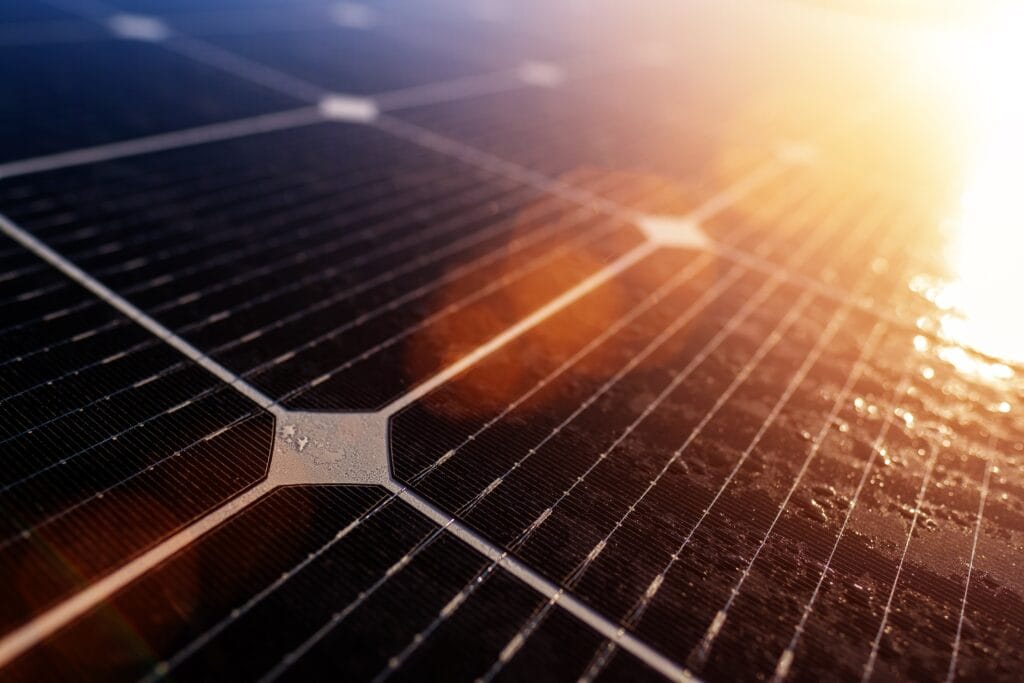
If you are thinking about installing solar panels, one of the first questions you are likely to ask is whether your roof is actually suitable. The good news is that many homes in the UK can support solar panels, even if they are not perfectly positioned. A professional installer will assess your roof carefully before any work begins, but it is still helpful to understand the main factors that determine whether your roof is a good fit. In most cases, you may find that your roof is more suitable than you expect.
The direction your roof faces
One of the most important things to consider is the direction your roof faces. Ideally, solar panels perform best on roofs that face south because they receive the most sunlight throughout the day. However, this does not mean solar panels only work on south-facing roofs.
If your roof faces east or west, you can still benefit from a solar panel system. East-facing roofs tend to generate more electricity in the morning, while west-facing roofs produce more in the afternoon. Even north-facing roofs may still be suitable in some situations, particularly if there is very little shading.
The angle and shape of the roof
The angle, or pitch, of your roof also plays a role in how effective solar panels will be. Most homes will already have a suitable roof pitch for solar panel installation. In fact, solar panels are designed to work efficiently across a wide range of angles, so you do not need a perfect roof to benefit from them.
The overall shape of the roof is just as important. A simple, open roof area makes installation easier and allows more panels to be fitted. However, this does not mean more complex roofs are unsuitable. A professional installer can often work around features such as skylights or chimneys to make the most of the available space. What you can expect is a tailored layout that suits the structure of your home rather than a one-size-fits-all design.
How much roof space you have
Another key factor is how much usable space is available. Solar panels need enough room to generate a worthwhile amount of electricity. If you have a larger roof, you will usually have more flexibility when it comes to the size of the system. This means you can generate more electricity and increase your long-term savings.
Even smaller roofs can still be suitable. Modern solar panels are far more efficient than older models, which means you can produce a good amount of electricity with fewer panels. A professional installer will measure the available space and provide a realistic estimate of how many panels can be installed and how much energy they are likely to generate.
Shading from trees and nearby buildings
Shading is one of the most important things to think about when deciding whether your roof is suitable. Solar panels work best when they receive direct sunlight, so heavy shading from trees, nearby buildings, or large structures can reduce how much electricity the system produces.
This does not automatically mean your roof is unsuitable. Light or partial shading may still allow the system to perform well overall. A professional assessment will look at how the sunlight falls on your roof throughout the day and during different times of the year. This helps ensure that the system is designed to deliver the best possible performance.
The condition of your roof
Before installing solar panels, it is also important to consider the condition of your roof. Because solar panels are designed to last for decades, your roof needs to be in good shape as well. If the roof is older or requires repairs, it may be worth addressing these issues before installation begins.
This does not mean your roof has to be brand new. Many homes with older roofs are still perfectly suitable for solar panels. The key point is that the roof should be structurally sound and capable of supporting the system safely for the long term. A professional installer will always check this as part of the survey process.
Planning and practical considerations
You should also be aware of any practical or planning considerations that may affect your roof. In most cases, solar panels can be installed without major planning issues, particularly if they are fitted to the roof rather than mounted on a separate structure. However, certain types of properties may require additional checks.
If your home is in a conservation area or has special restrictions, the installer will normally advise you before the project moves forward. This ensures the process is straightforward and avoids any unexpected complications later on.
A professional survey will give you a clear answer
The most reliable way to find out whether your roof is suitable is through a professional survey. This will look at the direction, angle, size, and condition of your roof, as well as any shading that could affect performance. You will then receive a clear explanation of what is possible and how much electricity you can realistically expect to generate.
So is your roof suitable for solar panel installation?
If your roof receives a reasonable amount of sunlight, has enough space, and is in good condition, there is a strong chance that solar panels will work well for your home. A professional survey will provide a clearer answer based on your property and energy usage.
For more information or advice, why not contact the experts today, here at the Eco Renewables Group? We work across the UK, from Norwich to Nottingham, to deliver high quality solar power solutions.